Identification
Common names: Broadleaf plantain, common plantain. Scientific name: Plantago major. Family: Plantaginaceae.
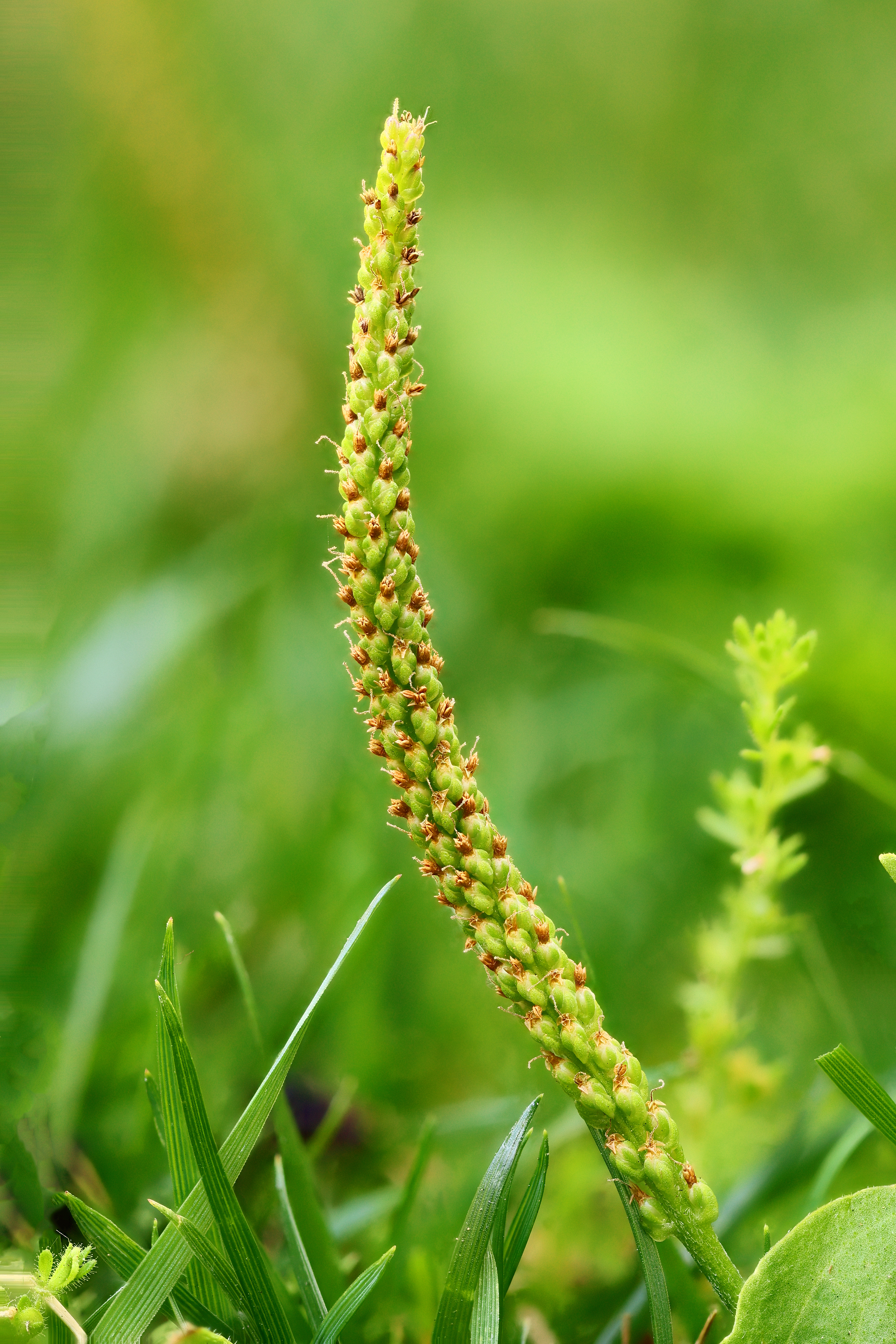
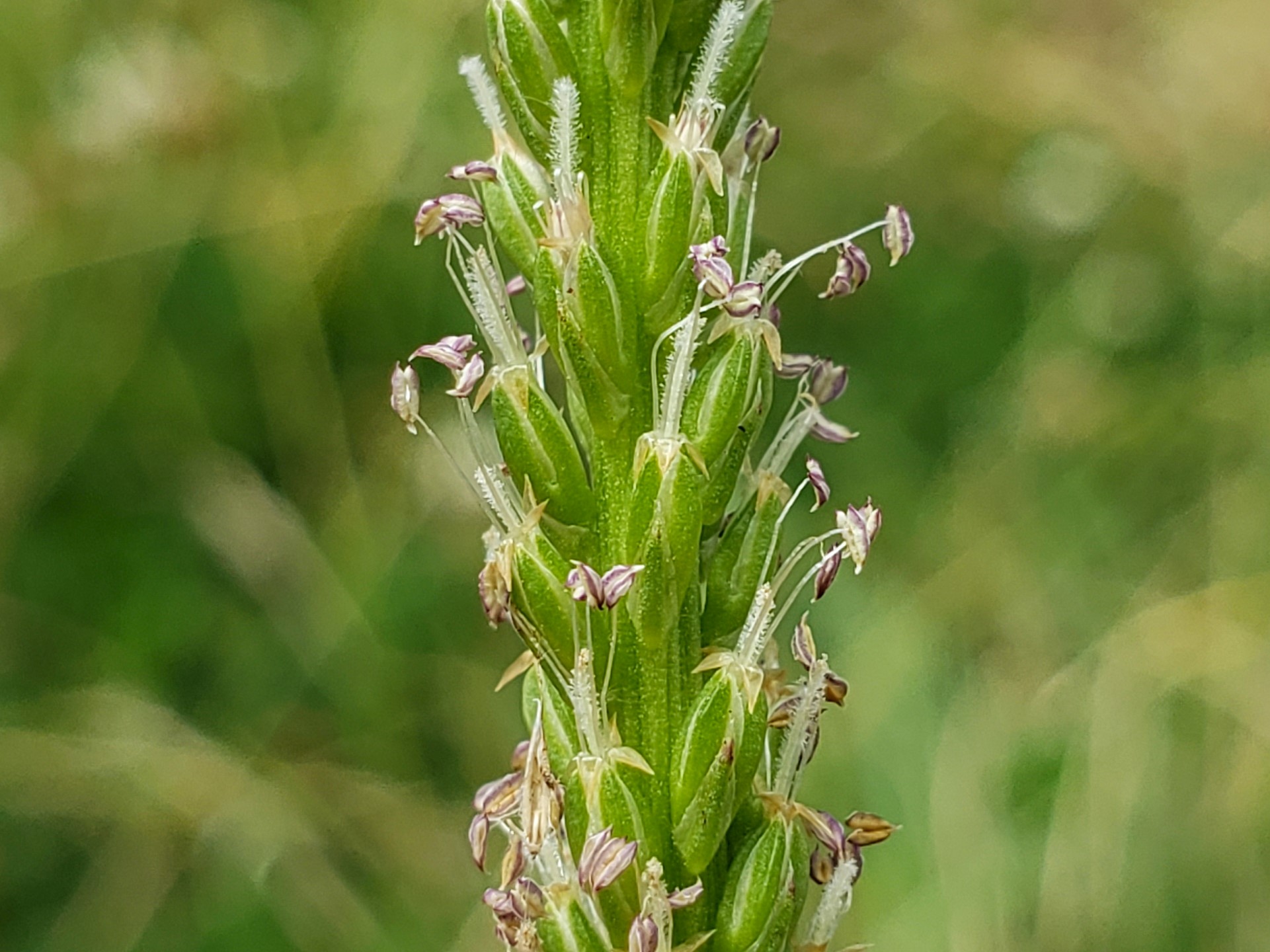
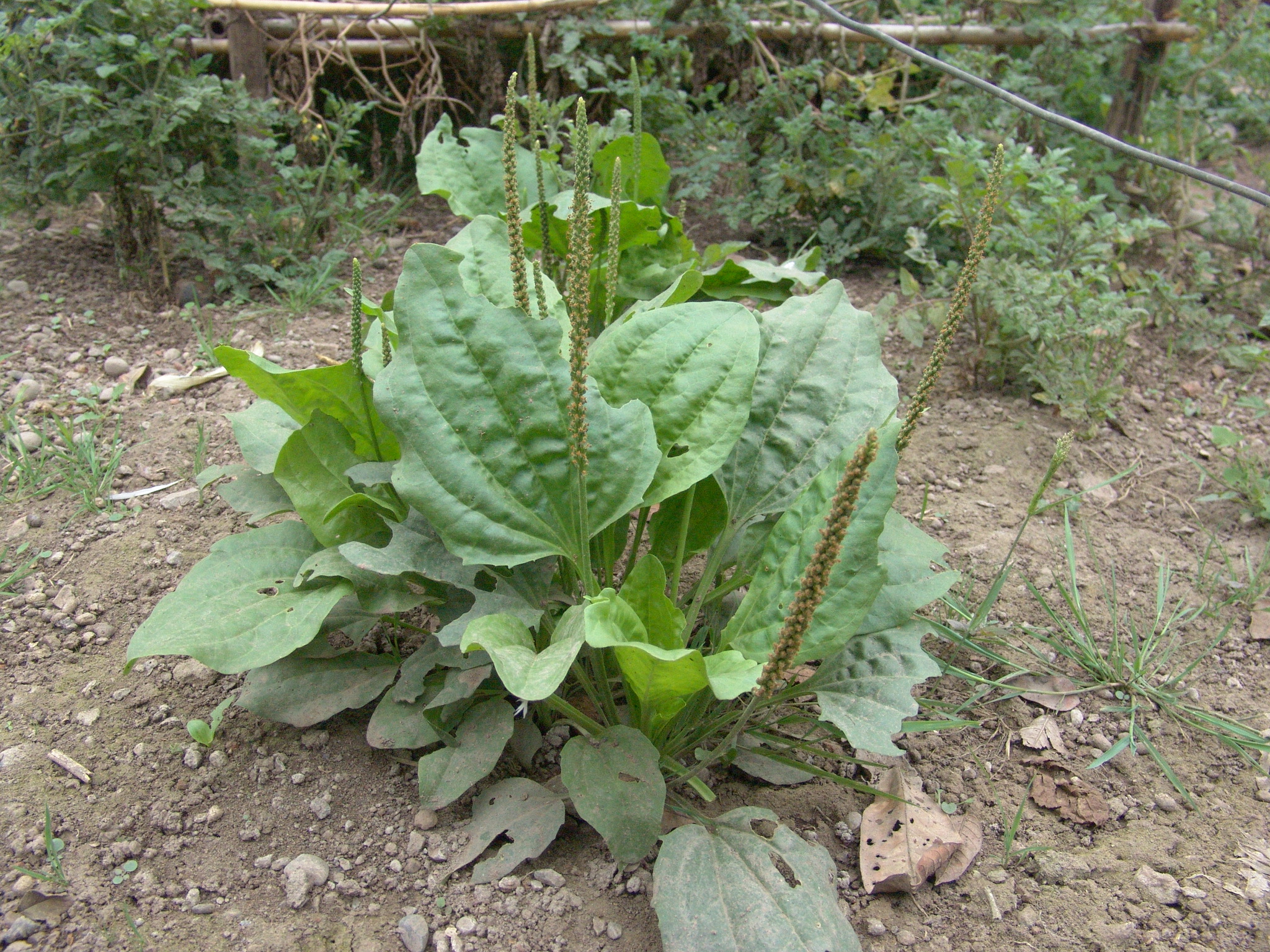
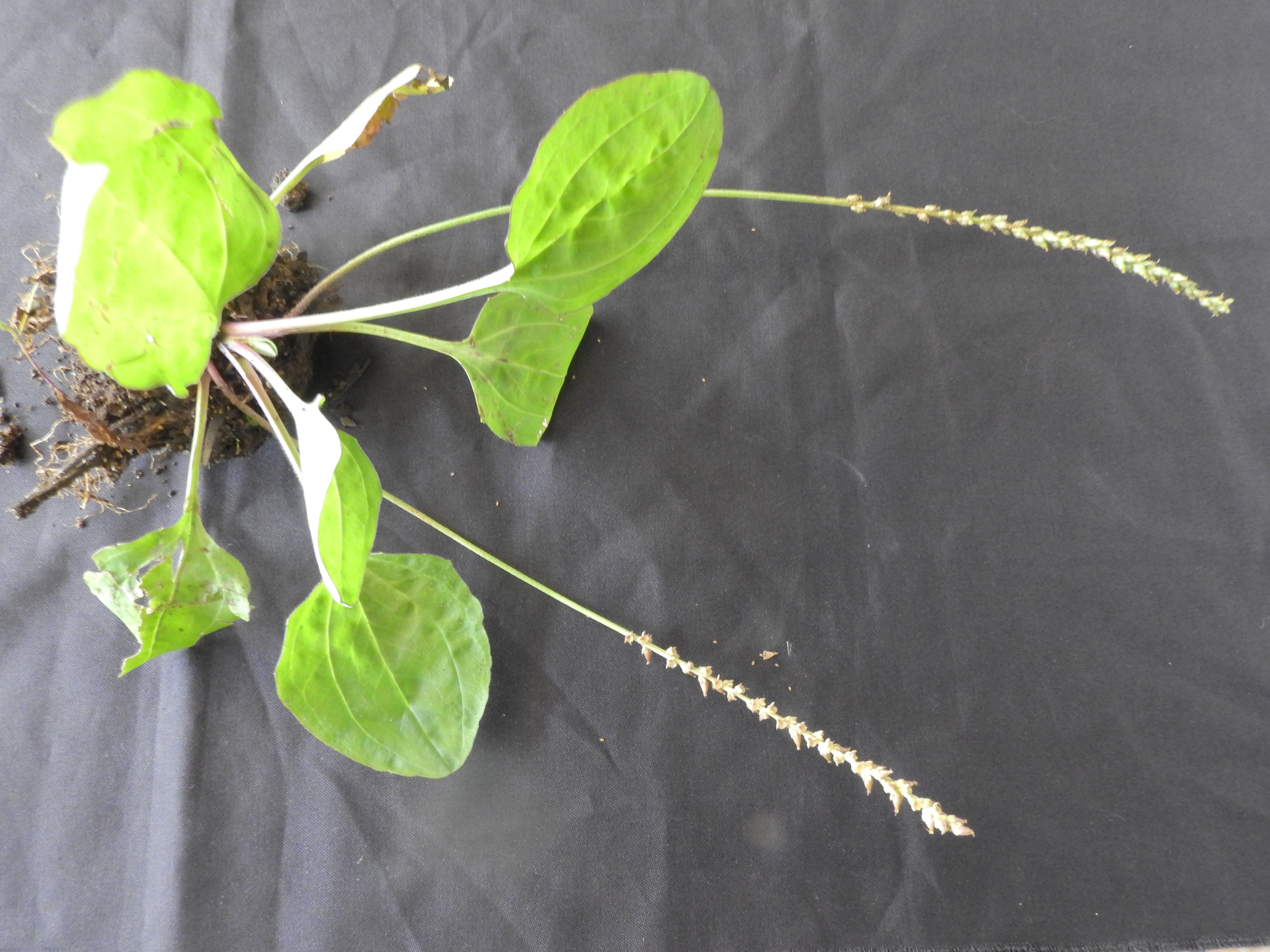
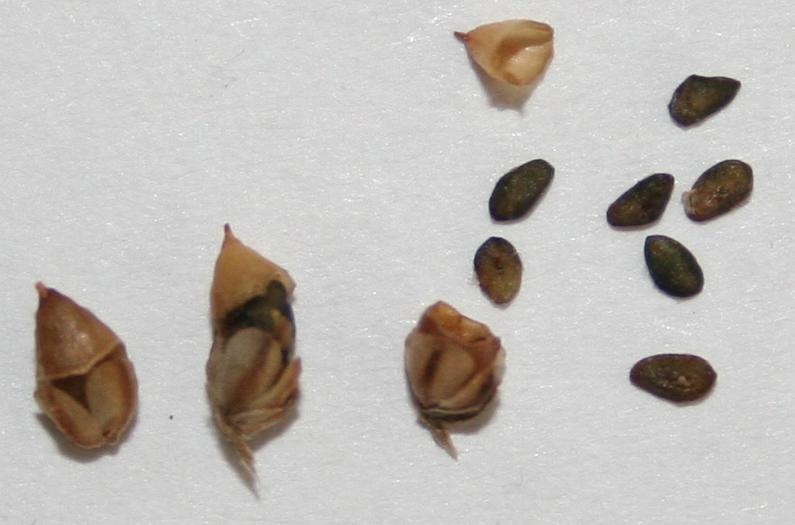
Broadleaf plantain forms a low rosette with broad oval leaves and strong parallel veins running from base to tip. Seed stalks rise as slender spikes from the center rosette. The combination of low habit and ribbed leaves makes ID straightforward in pasture and yard contexts. Look-alikes in this region should be checked carefully before forage, harvest, or grazing decisions are made. When a plant is uncertain, treat identification as unresolved until confirmed by multiple characteristics instead of one photo.





Habitat and Range
Common in compacted soils, paths, paddock edges, yards, and disturbed field margins throughout the region. It often indicates traffic pressure and soil compaction rather than high fertility. Persistence is high in repeatedly trampled areas. In west Tennessee and the KY/TN transition, field edges, disturbed soils, and mixed pasture systems change quickly with moisture and temperature swings. Because of that, distribution on one property can look different from year to year even when the plant is persistent in the county.
Tolerant of a wide soil range, especially compacted, moderately moist sites. It grows in full sun or partial shade. Because it handles pressure, it can remain present where more delicate species drop out. Seasonal stress can change growth form, flowering timing, and palatability, so this codex treats habitat notes as a management baseline rather than a fixed rule.
Ecological Role
Plantain contributes groundcover diversity and can provide modest pollinator resources via seed spikes and surrounding microflora interactions. It also helps cover bare soil patches in traffic corridors. In pasture ecology it is often a functional survivor species. Ecological function matters on homesteads because pollinator flow, ground cover, and competitive pressure all affect feed costs and weed pressure over time. In rotational systems, understanding this role helps match grazing pressure to recovery instead of reacting only after stand decline appears.
Agricultural and Homestead Value
Often grazed opportunistically by small ruminants and can provide minor forage value in mixed swards. Its presence can be useful as an indicator of traffic stress and paddock wear. For homesteads, it is more a system signal plant than a primary feed crop. For mixed farms, practical value comes from how the plant performs under labor limits, weather variability, and real fencing constraints. That means a useful species is one that stays predictable enough to fit your daily system rather than one that looks ideal only under textbook conditions.
Forage and management tags: traffic-tolerant broadleaf, minor forage. These tags are included so livestock keepers can browse by pasture relevance, not just by botany.
Toxicity and Animal Interaction
Toxicity level: Generally forage-safe. Broadleaf plantain is generally considered low risk toxicologically for livestock under normal intake. Problems are uncommon and usually related to contamination rather than intrinsic plant poison. As with all forages, context and cleanliness still matter. Known chemistry context: Contains mucilage, iridoid glycosides (reported in literature), and tannin-related compounds in varying amounts..
Animals affected or monitored: goats, sheep, cattle, rabbits, poultry. Common signs linked to exposure include: typically low toxicity concern. Exposure scenarios vary with plant part, growth stage, drought, frost, wilting, mold, and feed scarcity, so risk management should be seasonal and observation-based.
Veterinary Response Notes
If signs appear around heavy plantain areas, investigate broader feed or contamination causes and involve a veterinarian when clinical signs are significant. Do not assume one low-risk plant explains herd symptoms without differential review. Practical diagnosis should stay evidence-based. This section is for early recognition and first-step triage awareness. It is not a substitute for veterinary diagnosis, toxicology confirmation, or treatment planning.
Historical and Cultural Uses (Ethnobotanical Archive Context)
Plantain has a long record in traditional herb literature for skin and wound-oriented applications. These records are historical-cultural documentation and are not modern treatment instructions. It remains a common plant in ethnobotanical archives because of widespread distribution. These notes are documented as historical record and cultural context, not as modern medical instruction. Traditional use in old literature does not automatically establish safety, efficacy, or dose for modern human or veterinary care.
Historical remedy archive tags: wound plants, skin plants.
Foraging and Cultivation Guidance
Young leaves are historically used as wild greens in limited culinary contexts. Toughness increases with age, so harvest timing matters if used. Always harvest from clean, unsprayed sites. Responsible foraging requires positive ID, clean harvest locations, and conservative first-use practice. If a dangerous look-alike exists, avoid casual harvest and verify with multiple references before consumption.
Usually self-establishes and often requires little intentional propagation. If cultivated, seed broadcast in moist surface soil can establish quickly. Management emphasis is usually on deciding where to keep it versus where to limit spread. On homesteads, intentional cultivation decisions should include livestock access planning so useful plants are not overgrazed and risky plants are not accidentally concentrated.
Known Chemistry and Safety Framing
Contains mucilage, iridoid glycosides (reported in literature), and tannin-related compounds in varying amounts. Plant chemistry can shift by season, stress, and plant part, which is why this codex frames toxicity and medicinal history with caution language. If symptoms appear in livestock, treat it as a time-sensitive management issue and contact a veterinarian promptly.
Codex Navigation
Categories: weeds, forage plants, medicinal history plants.
Use the Plant Codex hub, symptom index, and historical remedy index to continue research by problem type.
Related Triple 5 resources: Homestead Codex for livestock/homestead systems, Animals from Triple 5 for live herd context, Farm Goods for products tied to season and forage, and Farm Experiences for in-person learning days.
Research Backbone
This entry is structured using extension-style agronomy references, forage and pasture management literature, ethnobotanical archives, and veterinary toxicology references used for farm risk-awareness education.
Source Reference Appendix
This page is a practical synthesis for farm decision-making. It does not replace veterinary diagnosis, extension consultation, or emergency response.
Entry lookup terms: Broadleaf Plantain; Plantago major.
- USDA PLANTS Database (species lookup)
- University of Tennessee Extension
- University of Kentucky Forages
- Merck Veterinary Manual search
- ASPCA toxic and non-toxic plants
- USDA National Agricultural Library
Historical Context: This plant is also documented in our Historical Remedy Codex, where you can explore its traditional use in tinctures, salves, and folk medicine.