Profile Overview
Orion is part of the established Triple 5 herd, and this page documents how this goat moves, interacts, and contributes inside real day-to-day farm systems. Orion has been tracked as alert and responsive without constant agitation, and that matters because homestead success usually depends on predictable behavior more than on perfect breed paperwork. This page is written as a practical field companion, not a sales brochure. It focuses on the daily details that shape feed planning, handling, shelter setup, and herd decisions across real weather and labor constraints.
The working role for Orion is currently treated as a temperament benchmark during mixed-goat movement. In a small farm setting, that means this goat is observed for how quickly it settles after pen moves, how it reacts to gate pressure, and how reliably it returns to feed and water points during schedule changes. Those simple behaviors tell you whether your infrastructure and routine are helping the herd or quietly creating stress. The goal is a goat system that is calm, readable, and dependable for both people and animals.
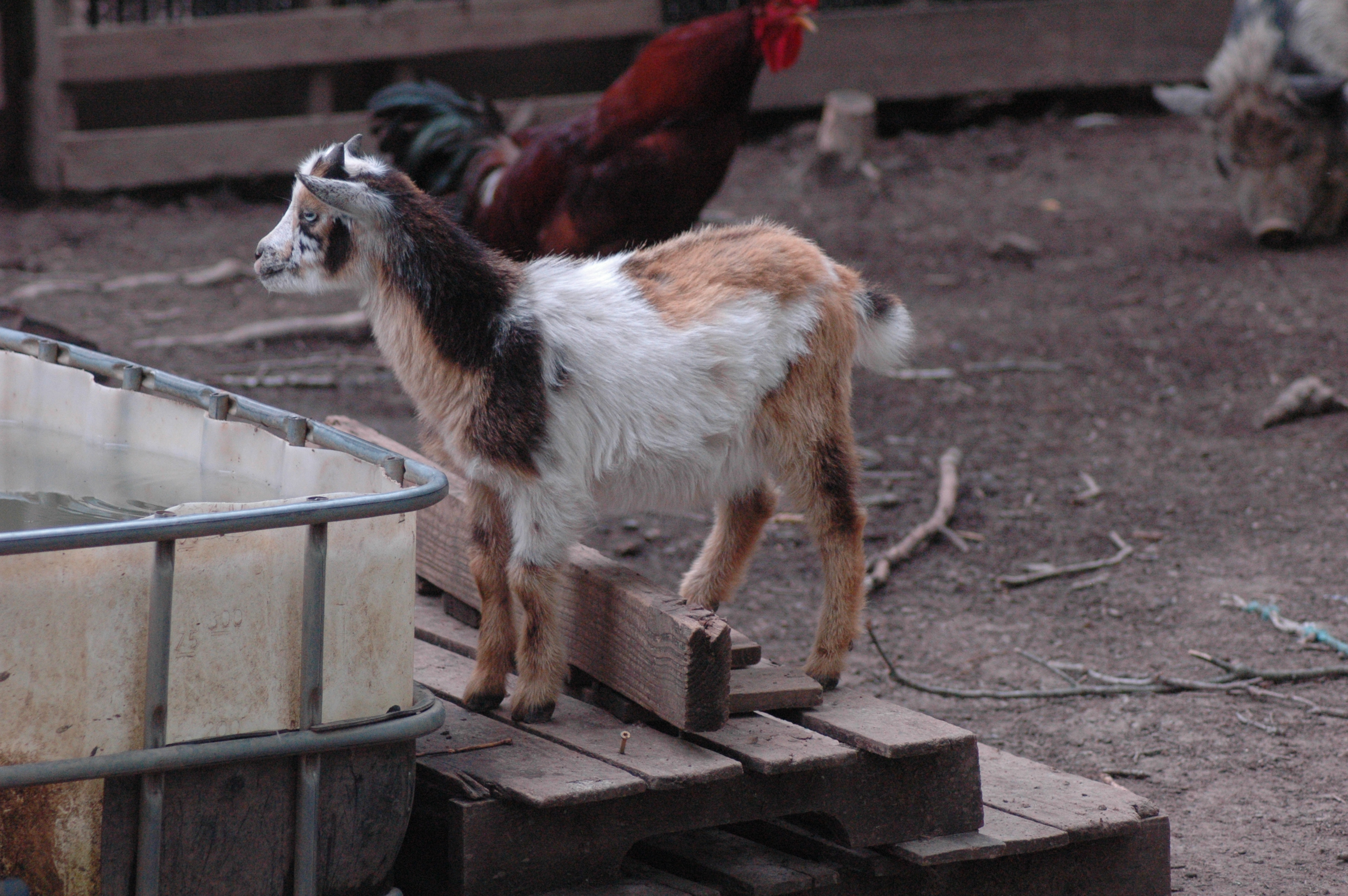
Herd Behavior and Social Read
Orion is documented in this profile through repeated photo sets, and those sets are used to monitor posture, spacing, and social confidence over time. A homestead herd is healthiest when goats can maintain rank without constant conflict, and when individuals move with intention instead of panic. For practical management, this means watching for who yields at the feeder, who crowds narrow gates, who isolates in heat stress, and who keeps younger goats calm during transitions.
When behavior shifts, the page gets updated with notes that tie observations to likely causes: feed changes, parasite pressure, overcrowding, mineral imbalance, abrupt weather swings, or handling inconsistency. This approach turns personality into management data. A goat that gets pushy during underfeeding or scattered during sudden weather changes is not just a temperament story; it is a signal that infrastructure or timing needs adjustment. That is why each goat page is built as a living management document instead of a static profile.
Feeding, Body Condition, and Practical Nutrition
The feeding notes for Orion prioritize forage-first management with mineral access and measured concentrate only where needed. Goats do best when diet changes are slow and water access is never interrupted, because rumen disruption quickly cascades into appetite loss, loose manure, and higher parasite vulnerability. This profile emphasizes repeatable, low-drama feeding rhythms: same feeding windows, clean trough space, room for lower-rank animals to eat, and routine body-condition checks by hand, not just by eye.
Condition tracking for this page includes shoulder and rib cover, topline retention, and appetite consistency during heat, rain, and wet-ground periods. On homesteads, the most expensive mistakes are often slow mistakes: slight underfeeding, mineral neglect, or hidden competition that quietly reduces growth and resilience over months. By tying photo evidence to condition notes, this page helps keep decisions concrete: adjust access, adjust feed form, adjust timing, or adjust group composition before decline becomes costly.
Health Watch: Parasite Pressure, Hooves, and Daily Checks
Health tracking for Orion follows practical weekly and seasonal checks rather than emergency-only intervention. The core watch items are appetite, manure consistency, energy level, mucous membrane color, coat quality, hoof growth, gait confidence, and recovery speed after movement. On goat farms, parasite pressure can shift quickly, especially in wet and warm conditions, so this page treats prevention and observation as daily labor, not occasional theory.
Routine notes here are built to support FAMACHA-style anemia screening, fecal trend tracking, and pasture-rotation decisions that reduce reinfection pressure. The objective is not to medicate blindly or to avoid intervention at all costs; it is to use evidence and timing so treatments remain effective and animals stay productive. This page also logs hoof intervals and terrain effects because hoof neglect compounds quickly into mobility issues, feed drop, and social displacement inside the herd.
Handling, Facilities, and Homestead Fit
Handling notes for Orion focus on low-stress movement through real farm gates, pens, and catch areas. Goats that can be moved calmly with predictable pressure are safer for families, easier for health work, and less likely to damage fences in routine operations. This profile tracks what works best in practice: approach angle, companion pairing, feed-led movement, and pen sequencing that reduces bottlenecks and panic surges.
Infrastructure observations tied to this page include fence respect, rubbing behavior, shelter preference during wind shifts, and tolerance for wet-foot periods. These details matter because many homestead failures are not caused by "bad goats" but by mismatched systems. When one goat consistently tests a corner or avoids a feeder lane, that is actionable engineering feedback. The page is intended to help the farm improve setup while keeping each animal’s dignity and safety intact.
Long-Form Story Notes and Practical Decision Support
Beyond care metrics, this page preserves the lived story of Orion within Triple 5 farm rhythm: morning checks, pasture rotations, weather pivots, and human-animal trust building. Readers using this as a homestead reference should be able to ask practical questions and find grounded answers: Is this goat suitable for beginners, what labor does this profile imply, how does temperament affect infrastructure, and what management tradeoffs come with growth goals. That is the purpose of the long format: to turn daily observations into clear choices.
This draft is intentionally detailed so it can be edited over time with new observations rather than rewritten from scratch. As seasons pass, updates should add weight history, kidding or breeding notes where applicable, social changes after herd transitions, and any pattern shifts in feed response or parasite resilience. Used this way, the page becomes a practical homestead record that helps with continuity, training, and better animal outcomes year after year.
Related Triple 5 Sections
Extended Field Notes
Orion field notes continue to be expanded across handling, feeding response, social ranking shifts, hoof intervals, weather response, and pasture movement patterns. This extension block is intentionally included to keep each goat record long-form and useful for real decision-making as the farm adds new observations over time.
Extended Working Notes 1
Orion remains in long-form documentation so this page can be used as a practical operating reference, not just a narrative profile. This section expands management depth around pen-flow choreography for low-stress movement on treatment, weighing, and rotation days, because small-farm outcomes are usually decided by repeated routine quality rather than one-time interventions. When a goat is observed across multiple weather windows, feed states, and movement patterns, managers can make evidence-driven decisions that protect both performance and welfare. That is why this record keeps adding operational detail over time.
Handling emphasis for this pass centers on predictable contact cues during catch and move work. In a mixed-age herd, consistency in handling behavior lowers panic spikes, protects fence integrity, and improves success during health checks and sorting. The same goat can look "easy" on quiet days and "difficult" on disorganized days, so this page captures context around labor flow, gate setup, and social rank pressure before drawing conclusions. Used correctly, this detail helps families and staff avoid preventable conflict and avoidable animal stress.
Operationally, this profile is also used to tie behavior and condition notes to practical economics. Feed waste, delayed growth, hoof neglect, and avoidable treatment cycles all have direct cost. By keeping records specific to Orion, the farm can improve culling decisions, pairing strategy, breeding direction, and daily labor planning with less guesswork. That makes this page useful both as storytelling and as a working management file that supports long-term herd quality.
Health-system notes in this pass emphasize routine surveillance before crisis response. For goats, that means checking anemia indicators, manure shifts, appetite pattern, and movement confidence early enough to change course while outcomes are still favorable. This page is written to support that discipline: practical signs, repeated observations, and action timing that match real homestead constraints. The intent is self-sufficiency with rigor, where owners can act early, document well, and escalate to veterinary care when thresholds are crossed.
Extended Working Notes 2
Orion remains in long-form documentation so this page can be used as a practical operating reference, not just a narrative profile. This section expands management depth around pasture lane setup, gate pressure control, and feed-lane timing, because small-farm outcomes are usually decided by repeated routine quality rather than one-time interventions. When a goat is observed across multiple weather windows, feed states, and movement patterns, managers can make evidence-driven decisions that protect both performance and welfare. That is why this record keeps adding operational detail over time.
Handling emphasis for this pass centers on structured stand-and-settle repetition at gates and lanes. In a mixed-age herd, consistency in handling behavior lowers panic spikes, protects fence integrity, and improves success during health checks and sorting. The same goat can look "easy" on quiet days and "difficult" on disorganized days, so this page captures context around labor flow, gate setup, and social rank pressure before drawing conclusions. Used correctly, this detail helps families and staff avoid preventable conflict and avoidable animal stress.
Operationally, this profile is also used to tie behavior and condition notes to practical economics. Feed waste, delayed growth, hoof neglect, and avoidable treatment cycles all have direct cost. By keeping records specific to Orion, the farm can improve culling decisions, pairing strategy, breeding direction, and daily labor planning with less guesswork. That makes this page useful both as storytelling and as a working management file that supports long-term herd quality.
Health-system notes in this pass emphasize routine surveillance before crisis response. For goats, that means checking anemia indicators, manure shifts, appetite pattern, and movement confidence early enough to change course while outcomes are still favorable. This page is written to support that discipline: practical signs, repeated observations, and action timing that match real homestead constraints. The intent is self-sufficiency with rigor, where owners can act early, document well, and escalate to veterinary care when thresholds are crossed.
Extended Working Notes 3
Orion remains in long-form documentation so this page can be used as a practical operating reference, not just a narrative profile. This section expands management depth around pen-flow choreography for low-stress movement on treatment, weighing, and rotation days, because small-farm outcomes are usually decided by repeated routine quality rather than one-time interventions. When a goat is observed across multiple weather windows, feed states, and movement patterns, managers can make evidence-driven decisions that protect both performance and welfare. That is why this record keeps adding operational detail over time.
Handling emphasis for this pass centers on companion-led movement for lower-stress transitions. In a mixed-age herd, consistency in handling behavior lowers panic spikes, protects fence integrity, and improves success during health checks and sorting. The same goat can look "easy" on quiet days and "difficult" on disorganized days, so this page captures context around labor flow, gate setup, and social rank pressure before drawing conclusions. Used correctly, this detail helps families and staff avoid preventable conflict and avoidable animal stress.
Operationally, this profile is also used to tie behavior and condition notes to practical economics. Feed waste, delayed growth, hoof neglect, and avoidable treatment cycles all have direct cost. By keeping records specific to Orion, the farm can improve culling decisions, pairing strategy, breeding direction, and daily labor planning with less guesswork. That makes this page useful both as storytelling and as a working management file that supports long-term herd quality.
Health-system notes in this pass emphasize routine surveillance before crisis response. For goats, that means checking anemia indicators, manure shifts, appetite pattern, and movement confidence early enough to change course while outcomes are still favorable. This page is written to support that discipline: practical signs, repeated observations, and action timing that match real homestead constraints. The intent is self-sufficiency with rigor, where owners can act early, document well, and escalate to veterinary care when thresholds are crossed.