Pigs for Homesteads: Breeds, Systems, and Practical Management
Quick Fact Box
| Field | Value |
|---|---|
| Primary use | mixed homestead utility |
| Secondary use | breeding value and system fit |
| Size | varies by strain and feeding program |
| Temperament | line-dependent |
| Climate fit | wide with mud, shade, and heat management |
| Fencing difficulty | high |
| Beginner friendliness | moderate with mentoring |
| Feed efficiency | management-sensitive |
| Reproductive trend | line dependent |
Overview
This pigs hub is structured as a practical field manual: how these animals usually perform, where systems fail, and what management decisions have the highest leverage for long-term stability. Swine can use forage and mast, but ration precision remains critical for growth consistency and carcass quality. Feed efficiency gains disappear quickly when feeder management is loose. Treat this hub as the doorway to breed-level decision support. Start with your farm constraints, then move into specific breed profiles and comparison pages rather than choosing from popularity alone.
From the Pig Pens
Pigs are efficient, but they are honest about management sloppiness. If water fails, shade fails, or feed timing drifts, they show it in growth and behavior right away.
Folks lose margin in pigs by ignoring small waste streams: feed loss, mud damage, and pen instability. Those leaks add up faster than most feed budgets admit.
A tight pig system is about flow: feed flow, water flow, airflow, and labor flow.
Working reminders:
-
Plan summer heat before summer arrives.
-
Keep pen groups stable whenever possible.
-
Write down feed conversion, do not guess it.
Taxonomy and Classification
- Kingdom: Animalia
- Phylum: Chordata
- Class: Mammalia
- Order: Artiodactyla
- Family: Suidae
- Genus: Sus
- Species: Sus scrofa domesticus
- Wild Ancestor: Eurasian wild boar
- Common names used on homesteads: Pigs, Pigs type names, and local market labels depending on region.
Classification details are useful for more than trivia. They shape how digestion works, how the animal handles climate stress, and which disease pressures are most likely to show up in your management calendar.
Breed Index
- Berkshire
- Chester White
- Duroc
- Gloucestershire Old Spots
- Hampshire
- Hereford Pig
- Idaho Pasture Pig
- Kunekune
- Large Black
- Mangalitsa
- Mulefoot
- Ossabaw Island Hog
- Poland China
- Red Wattle
- Spot
- Tamworth
- Yorkshire
Housing and Infrastructure
Infrastructure should be designed for the hardest week of the year: worst weather, tightest labor, and highest biological pressure. If the system works then, it will usually work year-round.
The system must handle rooting force, weather extremes, and mud control. Heavy-use zones need early reinforcement or maintenance costs accelerate.
Include dedicated quarantine space, treatment access, and movement lanes that one person can use safely. These elements protect biosecurity and keep routine work manageable as herd or flock size changes.
Feeding and Nutrition
Swine can use forage and mast, but ration precision remains critical for growth consistency and carcass quality. Feed efficiency gains disappear quickly when feeder management is loose.
Nutritional planning should be stage-specific: growing, breeding, late gestation, lactation/laying, recovery, and maintenance all require different priorities. A single static ration usually creates hidden costs in fertility, immunity, or growth.
Body-condition scoring, intake tracking, and feed-waste audits are the core field tools. They help you correct drift before performance loss becomes visible enough to be expensive.
Breeding and Reproduction
Breeding plans for Pigs should begin with operational goals: replacement quality, market timing, maternal behavior, and survivability under your local conditions. Without explicit goals, breeding programs often drift toward short-term convenience.
Keep disciplined records on parentage, conception success, birth outcomes, growth trajectory, health events, and culling reasons. Those records are the difference between a breeding program and repeated guesswork.
Use linebreeding and outcrossing decisions with caution and documentation. The practical target is predictable function over generations, not one-off visual novelty.
Health Profile and Risk Management
Heat load, respiratory pressure, lameness, and digestive upsets are common risk lanes. Stable routine and sanitation are core controls.
Health systems should combine observation cadence, written thresholds, veterinary relationships, and clean records. This prevents delayed response and reduces avoidable mortality or chronic underperformance.
No single supplement, product, or protocol replaces disciplined husbandry. Consistency in housing, feed quality, sanitation, and stress reduction remains the highest-leverage strategy in nearly every operation.
Field Diagnostics and Monitoring Cadence
Folks who stay ahead with Pigs do not rely on luck. They run a simple daily, weekly, and monthly check rhythm and write it down. That rhythm catches drift early, long before losses get expensive.
Daily checks should be quick but intentional: appetite, water behavior, movement, manure quality, breathing effort, and social behavior. Weekly checks should include body condition score, feet/hoof or leg inspection, coat or feather/fleece quality, and fence or shelter pressure points. Monthly checks should include trend review, not just snapshots: growth, breeding status, treatment history, and cull candidates.
The point of diagnostics on a working pigs setup is to move from guesswork to evidence. When one animal starts sliding, you should have enough baseline data to tell if it is a one-off case, a group trend, or a system failure.
Parasite Pressure Map (Exhaustive, Practical, Field-First)
Everybody talks about one headline parasite, but Pigs programs usually deal with a stack of pressures at once. Good farms track the full stack and adjust grazing, sanitation, and treatment timing instead of reacting to panic moments. Seasonal pattern: Mud-heavy and hygiene-poor periods usually push parasite pressure up first. Poor feed conversion, uneven growth, rubbing, coughing, and chronic pot-bellied look in growers are common tells.
Internal Parasites To Track
- roundworms
- whipworms
- coccidia in piglets
- strongyles where sanitation slips
External Parasites To Track
- lice
- mange mites
- fly pressure around wet manure zones
- ticks in brushy paddocks
Field protocol that holds up over time: identify risk groups first, monitor those groups on schedule, and keep treatment selective when possible. Blanket treatment of every animal, every time, can feel simple but usually drives resistance and higher long-term cost. Pasture and pen hygiene are still the biggest levers: rest intervals, reduced overgrazing, dry loafing areas, manure management, and clean water points. Chemical control matters, but environmental control decides whether the same problem keeps coming back next month. Keep a parasite ledger: date, group, signs, score values, fecal estimate, product used if any, and response after treatment window. That single page of records will teach you more than memory ever will.
Fecal Workups, Load Tracking, and Lab Discipline
If you want real self-sufficiency with pigs, fecal work is one of the highest-leverage skills you can build. It helps you treat the right animals at the right time and avoid blind deworming.
Practical flow on most farms: collect fresh representative samples, label them by animal and date, keep samples cool (not cooked in a truck), and process promptly. If processing is delayed, sample quality drops and interpretation gets noisy.
For egg-count style monitoring, many homesteads use a McMaster-style workflow with a counting chamber, flotation solution, and a repeatable dilution process. The exact chamber math can vary by kit, so train once on your exact setup and keep one laminated protocol card near the microscope. Consistency of method matters more than fancy equipment.
Interpretation rule that saves money: compare today against your own historical baseline, not somebody else's internet threshold. If counts rise with body condition drop or anemia trend, act faster. If counts are moderate and animals are thriving, management correction may be enough before medicine.
Run periodic fecal reduction checks after treatment windows where legal and practical. That gives you a real-world read on whether your program is still working or resistance is creeping in.
Bloodwork Basics for Homesteads (Sampling, Not Guessing)
Bloodwork is where a lot of farms level up from hunches to evidence. You do not need a full clinic to collect useful samples, but you do need restraint discipline, clean technique, and clear labeling.
Common field sampling site for this group: jugular routes; advanced sites need practiced handling.
Before drawing any sample, restrain the pigs safely, prep the site cleanly, and stage tubes in advance. Write labels before the draw, not after, because memory fails when chores are moving fast.
Use a standard sample log: animal ID, date/time, sample type, reason for test, and any recent treatments. Without that log, lab results are harder to compare and nearly useless for trend analysis.
Focus bloodwork decisions on management questions: anemia trend, hydration status, metabolic pressure, mineral drift, or inflammation clues. Testing is not about collecting numbers for their own sake; it is about making better next decisions.
Injection Technique, Medication Workflow, and Handling Safety
Knowing how to give injections correctly is basic farm self-reliance. Bad technique costs money, stresses animals, and can create carcass or tissue problems depending on species and purpose.
Route quick guide: SQ -> 16-18 gauge in appropriate loose-skin site; IM -> 16-18 gauge, neck site behind ear with restraint.
For pigs groups, use the least stressful restraint that still keeps everyone safe. Stage needles, syringes, labels, sharps container, and record sheet before you touch the animal so the procedure is quick and clean.
Medication discipline rules: verify product, route, expiration, withdrawal timing where relevant, and animal ID before administration. Record every treatment immediately with dose, route, site, lot, and date. That record protects food safety, legal compliance, and your own memory when follow-up is due.
Rotate injection sites and do not guess route if label language is unclear. If route, concentration, or withdrawal details are uncertain, pause and verify from approved references before administering.
Tools, Consumables, and Bench Setup for Real Farm Work
A self-sufficient pigs program needs a working tool chain, not just animals. When tools are organized and ready, routine care stays calm and emergencies stay manageable. Core field kit most farms should maintain: - Restraint and handling gear suited to species size and temperament. - Thermometer, stethoscope, scale/weight tape, headlamp, and treatment notebook. - Hoof/foot or claw tools where relevant, plus sanitation supplies. - Fecal collection tools, microscope workflow kit, and labeled sample containers. - Needle and syringe assortment, sharps container, and withdrawal log sheets. - Mineral, electrolyte, and hydration support supplies for stress periods.
Set your bench like a cockpit: every tool has a place, every consumable has reorder thresholds, and nothing critical is allowed to run out silently.
Material Production Pipeline: How Output Is Actually Made
Production from Pigs does not happen at one moment; it comes from a chain of small repeated steps. If one step is weak, the whole output quality slides.
Map the chain: nutrition -> stress load -> health status -> handling quality -> harvest/collection method -> storage -> market endpoint. Most quality failures start upstream in nutrition or stress, then show up later where folks blame the wrong stage.
Treat manure and byproducts as part of the material system too. Bedding/manure handling can close fertility loops on pasture and gardens when it is timed and processed intentionally.
Conditions and Remedies (Evidence-Aware Field Guide)
Heat stress and respiratory strain
What it is and what drives it: High temperature load, poor airflow, and crowding increase stress and respiratory risk quickly. Early warning signs: Panting, piling, appetite drop, and lower gain are common stress indicators. First 24-hour farm response: Reduce heat load immediately, improve airflow and water access, and evaluate for secondary disease with veterinary support. Hands-on actions you can do immediately: isolate the affected group, reduce stress and movement load, secure water and easy intake, correct hygiene or footing problems, and document signs at least twice daily so response can be measured. Prevention and low-input support: Design shade, ventilation, and stocking density for peak summer conditions before season starts. Pasture hygiene, airflow, stocking density, and stress control are often the strongest non-pharmaceutical levers. Treatment discipline note: route, timing, and withdrawal decisions must follow product label and legal requirements. Do not improvise dose plans from memory or social media snippets. Escalation threshold: Urgent veterinary care is needed for severe respiratory distress, neurologic signs, or sudden mortality.
Digestive instability and growth setbacks
What it is and what drives it: Abrupt feed changes, hygiene lapses, and social stress can destabilize gut health. Early warning signs: Loose stool, reduced feed conversion, uneven growth, and poor pen uniformity appear quickly. First 24-hour farm response: Correct feed transition pace, water access, and sanitation, then involve a veterinarian for persistent cases. Hands-on actions you can do immediately: isolate the affected group, reduce stress and movement load, secure water and easy intake, correct hygiene or footing problems, and document signs at least twice daily so response can be measured. Prevention and low-input support: Phased feeding, strict feeder management, and stable pen groups reduce avoidable setbacks. Pasture hygiene, airflow, stocking density, and stress control are often the strongest non-pharmaceutical levers. Treatment discipline note: route, timing, and withdrawal decisions must follow product label and legal requirements. Do not improvise dose plans from memory or social media snippets. Escalation threshold: Veterinary escalation is appropriate when dehydration, blood in stool, or rapid decline appears.
Wild or Natural-Analog Context
Wild boar analogs travel and forage broadly across diverse terrain. Managed systems can borrow this through paddock rotation and enrichment that reduces stress behavior.
Natural analogs are useful for ecological insight, but they are not direct substitutes for domestic management. Predation pressure, confinement, legal frameworks, and production goals create constraints that wild systems do not carry in the same way.
Use natural behavior as guidance for movement, forage diversity, and stress reduction, then anchor decisions in veterinary advice and practical farm records.
Management by Life Stage
Newborn and juvenile pigs management should prioritize thermal stability, clean intake transition, and close observation for early setbacks. Early mistakes at this stage often create long-tail performance losses later.
Growing-phase management is where feed conversion, structural development, and social behavior are shaped. Keep grouping stable where possible, avoid abrupt ration shocks, and monitor growth trend rather than relying on occasional impressions.
Breeding stock management should emphasize body condition, structural soundness, reproductive reliability, and behavioral stability. Aging animals need adjusted workload, closer monitoring, and clear humane retirement or culling decision rules.
12-Month Field Calendar and Self-Sufficiency Rhythm
Good pigs keepers run the year on a calendar, not on panic. A simple seasonal rhythm keeps routine work from turning into emergency work.
Quarter 1 (cold/wet transition or early season prep)
Review body condition, reset mineral and feed plans, repair fence and shelter weak points, and tune your parasite-monitoring cadence before spring pressure starts.
Quarter 2 (growth and breeding pressure window)
Track intake, growth, and reproductive indicators closely; this is when small errors compound fast. Keep record discipline tight and do not let preventive chores slide while workloads rise.
Quarter 3 (heat/humidity and parasite peak for many regions)
Shift labor toward hydration, shade, ventilation, and parasite checks. Run targeted fecal and body-condition reviews so treatment decisions are based on evidence, not fatigue.
Quarter 4 (recovery, culling, and next-year planning)
Cull on function, reset stocking assumptions, and review what actually made money or prevented losses. Winterize tools, close the records loop, and set next-year purchase and breeding decisions from data.
Species-Level Comparisons and Use Cases
- Best Animals Brush Clearing
- Best Animals Cold Climates
- Best Animals For Dairy
- Best Animals For Families With Kids
Related Codex Links
- Homestead Codex Index
- Pigs Hub
- Berkshire
- Chester White
- Best Animals Brush Clearing
- Best Animals Cold Climates
- Ducks For Orchard Pest Control
Related Triple 5 Paths
Authority and Research Trail
These references are included as operational baselines for veterinary-aware and evidence-aware decisions: - Merck Veterinary Manual - USDA National Agricultural Library - The Livestock Conservancy - eXtension Livestock and Poultry resources - National Swine Registry - American Kunekune Pig Registry - Idaho Pasture Pig Registry (IPPBA) Use these sources with local veterinarian and extension guidance before making treatment or regulatory decisions.
Advanced Barn-Floor Protocol Library
Building a Farm Culture of Written Decisions
A lot of farms lose money in the gap between knowing and doing. When body-condition scan slides, mange and lice resurgence usually follows, and the bill shows up a few weeks later in poor condition, slower output, or extra treatment work.
Three-step correction drill: 1. Stabilize: reduce pressure tied to mange and lice resurgence and protect intake, water, and rest. 2. Verify: run temperature-humidity board and compare this week to your last clean baseline. 3. Lock in: hard-code body-condition scan into next week so drift does not return.
Common trap: assuming one good month means the system is fixed, even though digestive setbacks after ration jumps is still lurking under weak grouping stability review.
When this routine is kept, you usually get better finish consistency and less chaos in deworming review window. It also makes culling, buying, and scaling decisions easier to justify with evidence.
Quiet Failures That Cost More Than Emergencies
On working operations, grouping stability review is one of those quiet levers that keeps the whole system honest. If it drifts, digestive setbacks after ration jumps tends to show up first in high-risk groups.
If you're in the summer cooling protocol phase, keep decisions simple and conservative. The safest default is to hold scale, run sorting paddle and lane setup, and correct one process at a time.
Where teams improve fastest is when sorting paddle and lane setup is used on schedule, not only during emergencies. It creates comparability across weeks and stops memory from rewriting what happened.
Keep this simple and repeatable, and it pays off as stronger carcass quality timing when summer cooling protocol starts testing the edges of the system. That is how resilience actually looks on the ground.
When to Hold Scale and Fix the Process First
Folks often think big setbacks come from one dramatic event, but many of them start with skipped basics like ventilation assessment. Once that rhythm slips, lameness from wet footing becomes harder to control.
If you want this to hold through hard seasons, treat treatment record chart as non-negotiable. Missing a single check may not hurt, but missing a pattern usually does.
Common trap: buying better genetics while leaving feed-delivery timing inconsistent, then blaming the line when mud-zone pathogen load shows up again.
The return on this discipline is pasture impact control, especially during fall finishing window. That is where organized farms pull ahead without burning out people or animals.
Low-Drama Corrections That Actually Work
Good animal work is often boring on purpose. A steady rhythm around feed-delivery timing is what keeps mud-zone pathogen load from turning into a month-long correction cycle.
The practical fix is to put pen dry-matter checklist in the weekly workflow and assign one owner for follow-through. Keep notes short but specific: what was seen, what changed, and what gets rechecked next.
Practical checklist for this module: - Confirm baseline around feed-delivery timing before making treatment or buying changes. - Use pen dry-matter checklist on a fixed cadence and log what changed that same day. - If mud-zone pathogen load appears in more than one group, assume system pressure and correct flow first.
Done right, this protects replacement gilt quality and gives you cleaner choices when winter shelter draft control pressure arrives. It is not flashy, but it is the difference between managing and reacting.
Decision Notes Worth Keeping Year Over Year
A lot of farms lose money in the gap between knowing and doing. When pen sanitation loop slides, heat stress on gain usually follows, and the bill shows up a few weeks later in poor condition, slower output, or extra treatment work.
Three-step correction drill: 1. Stabilize: reduce pressure tied to heat stress on gain and protect intake, water, and rest. 2. Verify: run weight-trend sheet and compare this week to your last clean baseline. 3. Lock in: hard-code pen sanitation loop into next week so drift does not return.
Common trap: assuming one good month means the system is fixed, even though respiratory drift in dense pens is still lurking under weak water nipple flow checks.
When this routine is kept, you usually get better litter survivability and less chaos in spring mud response. It also makes culling, buying, and scaling decisions easier to justify with evidence.
Stocking Decisions That Respect the Land and the Calendar
On working operations, water nipple flow checks is one of those quiet levers that keeps the whole system honest. If it drifts, respiratory drift in dense pens tends to show up first in high-risk groups.
If you're in the storm disruption plan phase, keep decisions simple and conservative. The safest default is to hold scale, run feed-conversion log, and correct one process at a time.
Where teams improve fastest is when feed-conversion log is used on schedule, not only during emergencies. It creates comparability across weeks and stops memory from rewriting what happened.
Keep this simple and repeatable, and it pays off as stronger feed-cost predictability when storm disruption plan starts testing the edges of the system. That is how resilience actually looks on the ground.
What to Audit First When Output Starts Sliding
Folks often think big setbacks come from one dramatic event, but many of them start with skipped basics like body-condition scan. Once that rhythm slips, mange and lice resurgence becomes harder to control.
If you want this to hold through hard seasons, treat temperature-humidity board as non-negotiable. Missing a single check may not hurt, but missing a pattern usually does.
Common trap: buying better genetics while leaving grouping stability review inconsistent, then blaming the line when digestive setbacks after ration jumps shows up again.
The return on this discipline is finish consistency, especially during deworming review window. That is where organized farms pull ahead without burning out people or animals.
How to Train Backup Hands Without Losing Consistency
Good animal work is often boring on purpose. A steady rhythm around grouping stability review is what keeps digestive setbacks after ration jumps from turning into a month-long correction cycle.
The practical fix is to put sorting paddle and lane setup in the weekly workflow and assign one owner for follow-through. Keep notes short but specific: what was seen, what changed, and what gets rechecked next.
Practical checklist for this module: - Confirm baseline around grouping stability review before making treatment or buying changes. - Use sorting paddle and lane setup on a fixed cadence and log what changed that same day. - If digestive setbacks after ration jumps appears in more than one group, assume system pressure and correct flow first.
Done right, this protects carcass quality timing and gives you cleaner choices when summer cooling protocol pressure arrives. It is not flashy, but it is the difference between managing and reacting.
How to Keep a Hard Week from Becoming a Hard Quarter
A lot of farms lose money in the gap between knowing and doing. When ventilation assessment slides, lameness from wet footing usually follows, and the bill shows up a few weeks later in poor condition, slower output, or extra treatment work.
Three-step correction drill: 1. Stabilize: reduce pressure tied to lameness from wet footing and protect intake, water, and rest. 2. Verify: run treatment record chart and compare this week to your last clean baseline. 3. Lock in: hard-code ventilation assessment into next week so drift does not return.
Common trap: assuming one good month means the system is fixed, even though mud-zone pathogen load is still lurking under weak feed-delivery timing.
When this routine is kept, you usually get better pasture impact control and less chaos in fall finishing window. It also makes culling, buying, and scaling decisions easier to justify with evidence.
How to Catch Drift Before It Looks Like a Crisis
On working operations, feed-delivery timing is one of those quiet levers that keeps the whole system honest. If it drifts, mud-zone pathogen load tends to show up first in high-risk groups.
If you're in the winter shelter draft control phase, keep decisions simple and conservative. The safest default is to hold scale, run pen dry-matter checklist, and correct one process at a time.
Where teams improve fastest is when pen dry-matter checklist is used on schedule, not only during emergencies. It creates comparability across weeks and stops memory from rewriting what happened.
Keep this simple and repeatable, and it pays off as stronger replacement gilt quality when winter shelter draft control starts testing the edges of the system. That is how resilience actually looks on the ground.
Protocol Discipline During Stress Seasons
Folks often think big setbacks come from one dramatic event, but many of them start with skipped basics like pen sanitation loop. Once that rhythm slips, heat stress on gain becomes harder to control.
If you want this to hold through hard seasons, treat weight-trend sheet as non-negotiable. Missing a single check may not hurt, but missing a pattern usually does.
Common trap: buying better genetics while leaving water nipple flow checks inconsistent, then blaming the line when respiratory drift in dense pens shows up again.
The return on this discipline is litter survivability, especially during spring mud response. That is where organized farms pull ahead without burning out people or animals.
Mistakes That Keep Repeating Until Someone Owns Them
Good animal work is often boring on purpose. A steady rhythm around water nipple flow checks is what keeps respiratory drift in dense pens from turning into a month-long correction cycle.
The practical fix is to put feed-conversion log in the weekly workflow and assign one owner for follow-through. Keep notes short but specific: what was seen, what changed, and what gets rechecked next.
Practical checklist for this module: - Confirm baseline around water nipple flow checks before making treatment or buying changes. - Use feed-conversion log on a fixed cadence and log what changed that same day. - If respiratory drift in dense pens appears in more than one group, assume system pressure and correct flow first.
Done right, this protects feed-cost predictability and gives you cleaner choices when storm disruption plan pressure arrives. It is not flashy, but it is the difference between managing and reacting.
Where Feed, Health, and Labor Quietly Interlock
A lot of farms lose money in the gap between knowing and doing. When body-condition scan slides, mange and lice resurgence usually follows, and the bill shows up a few weeks later in poor condition, slower output, or extra treatment work.
Three-step correction drill: 1. Stabilize: reduce pressure tied to mange and lice resurgence and protect intake, water, and rest. 2. Verify: run temperature-humidity board and compare this week to your last clean baseline. 3. Lock in: hard-code body-condition scan into next week so drift does not return.
Common trap: assuming one good month means the system is fixed, even though digestive setbacks after ration jumps is still lurking under weak grouping stability review.
When this routine is kept, you usually get better finish consistency and less chaos in deworming review window. It also makes culling, buying, and scaling decisions easier to justify with evidence.
Where Most Hidden Costs Actually Start
On working operations, grouping stability review is one of those quiet levers that keeps the whole system honest. If it drifts, digestive setbacks after ration jumps tends to show up first in high-risk groups.
If you're in the summer cooling protocol phase, keep decisions simple and conservative. The safest default is to hold scale, run sorting paddle and lane setup, and correct one process at a time.
Where teams improve fastest is when sorting paddle and lane setup is used on schedule, not only during emergencies. It creates comparability across weeks and stops memory from rewriting what happened.
Keep this simple and repeatable, and it pays off as stronger carcass quality timing when summer cooling protocol starts testing the edges of the system. That is how resilience actually looks on the ground.
Turning Anecdotes Into Useful Evidence
Folks often think big setbacks come from one dramatic event, but many of them start with skipped basics like ventilation assessment. Once that rhythm slips, lameness from wet footing becomes harder to control.
If you want this to hold through hard seasons, treat treatment record chart as non-negotiable. Missing a single check may not hurt, but missing a pattern usually does.
Common trap: buying better genetics while leaving feed-delivery timing inconsistent, then blaming the line when mud-zone pathogen load shows up again.
The return on this discipline is pasture impact control, especially during fall finishing window. That is where organized farms pull ahead without burning out people or animals.
The Weekly Checks That Separate Steady Farms from Chaotic Farms
Good animal work is often boring on purpose. A steady rhythm around feed-delivery timing is what keeps mud-zone pathogen load from turning into a month-long correction cycle.
The practical fix is to put pen dry-matter checklist in the weekly workflow and assign one owner for follow-through. Keep notes short but specific: what was seen, what changed, and what gets rechecked next.
Practical checklist for this module: - Confirm baseline around feed-delivery timing before making treatment or buying changes. - Use pen dry-matter checklist on a fixed cadence and log what changed that same day. - If mud-zone pathogen load appears in more than one group, assume system pressure and correct flow first.
Done right, this protects replacement gilt quality and gives you cleaner choices when winter shelter draft control pressure arrives. It is not flashy, but it is the difference between managing and reacting.
How to Keep Tool Readiness from Becoming a Bottleneck
A lot of farms lose money in the gap between knowing and doing. When pen sanitation loop slides, heat stress on gain usually follows, and the bill shows up a few weeks later in poor condition, slower output, or extra treatment work.
Three-step correction drill: 1. Stabilize: reduce pressure tied to heat stress on gain and protect intake, water, and rest. 2. Verify: run weight-trend sheet and compare this week to your last clean baseline. 3. Lock in: hard-code pen sanitation loop into next week so drift does not return.
Common trap: assuming one good month means the system is fixed, even though respiratory drift in dense pens is still lurking under weak water nipple flow checks.
When this routine is kept, you usually get better litter survivability and less chaos in spring mud response. It also makes culling, buying, and scaling decisions easier to justify with evidence.
How Seasonal Pressure Changes What Good Looks Like
On working operations, water nipple flow checks is one of those quiet levers that keeps the whole system honest. If it drifts, respiratory drift in dense pens tends to show up first in high-risk groups.
If you're in the storm disruption plan phase, keep decisions simple and conservative. The safest default is to hold scale, run feed-conversion log, and correct one process at a time.
Where teams improve fastest is when feed-conversion log is used on schedule, not only during emergencies. It creates comparability across weeks and stops memory from rewriting what happened.
Keep this simple and repeatable, and it pays off as stronger feed-cost predictability when storm disruption plan starts testing the edges of the system. That is how resilience actually looks on the ground.
How Good Routines Prevent Expensive Heroics
Folks often think big setbacks come from one dramatic event, but many of them start with skipped basics like body-condition scan. Once that rhythm slips, mange and lice resurgence becomes harder to control.
If you want this to hold through hard seasons, treat temperature-humidity board as non-negotiable. Missing a single check may not hurt, but missing a pattern usually does.
Common trap: buying better genetics while leaving grouping stability review inconsistent, then blaming the line when digestive setbacks after ration jumps shows up again.
The return on this discipline is finish consistency, especially during deworming review window. That is where organized farms pull ahead without burning out people or animals.
What Reliable Self-Sufficiency Looks Like in Practice
Good animal work is often boring on purpose. A steady rhythm around grouping stability review is what keeps digestive setbacks after ration jumps from turning into a month-long correction cycle.
The practical fix is to put sorting paddle and lane setup in the weekly workflow and assign one owner for follow-through. Keep notes short but specific: what was seen, what changed, and what gets rechecked next.
Practical checklist for this module: - Confirm baseline around grouping stability review before making treatment or buying changes. - Use sorting paddle and lane setup on a fixed cadence and log what changed that same day. - If digestive setbacks after ration jumps appears in more than one group, assume system pressure and correct flow first.
Done right, this protects carcass quality timing and gives you cleaner choices when summer cooling protocol pressure arrives. It is not flashy, but it is the difference between managing and reacting.
Building a Farm Culture of Written Decisions
A lot of farms lose money in the gap between knowing and doing. When ventilation assessment slides, lameness from wet footing usually follows, and the bill shows up a few weeks later in poor condition, slower output, or extra treatment work.
Three-step correction drill: 1. Stabilize: reduce pressure tied to lameness from wet footing and protect intake, water, and rest. 2. Verify: run treatment record chart and compare this week to your last clean baseline. 3. Lock in: hard-code ventilation assessment into next week so drift does not return.
Common trap: assuming one good month means the system is fixed, even though mud-zone pathogen load is still lurking under weak feed-delivery timing.
When this routine is kept, you usually get better pasture impact control and less chaos in fall finishing window. It also makes culling, buying, and scaling decisions easier to justify with evidence.
Triple 5 Farm Photo Context
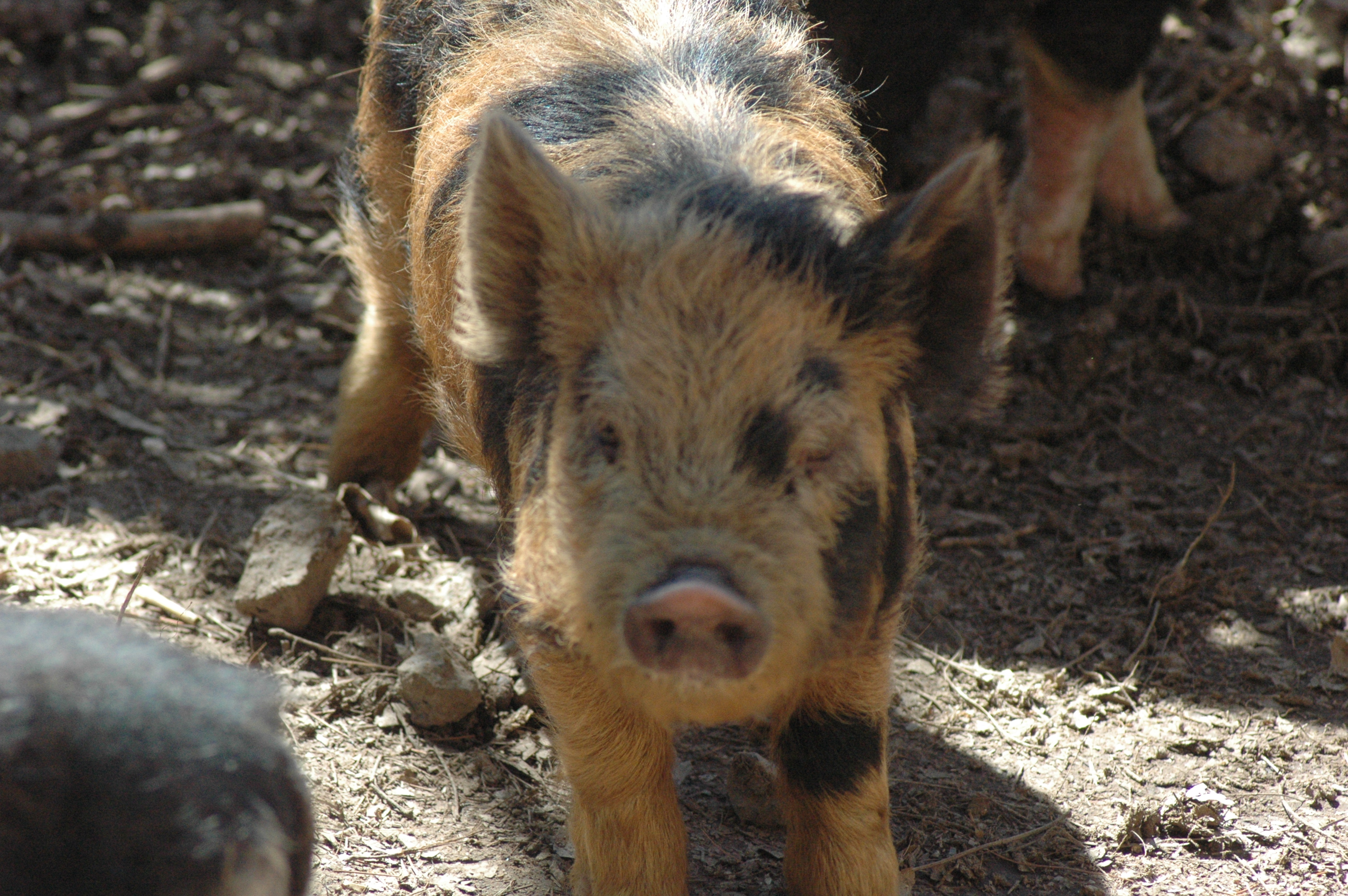
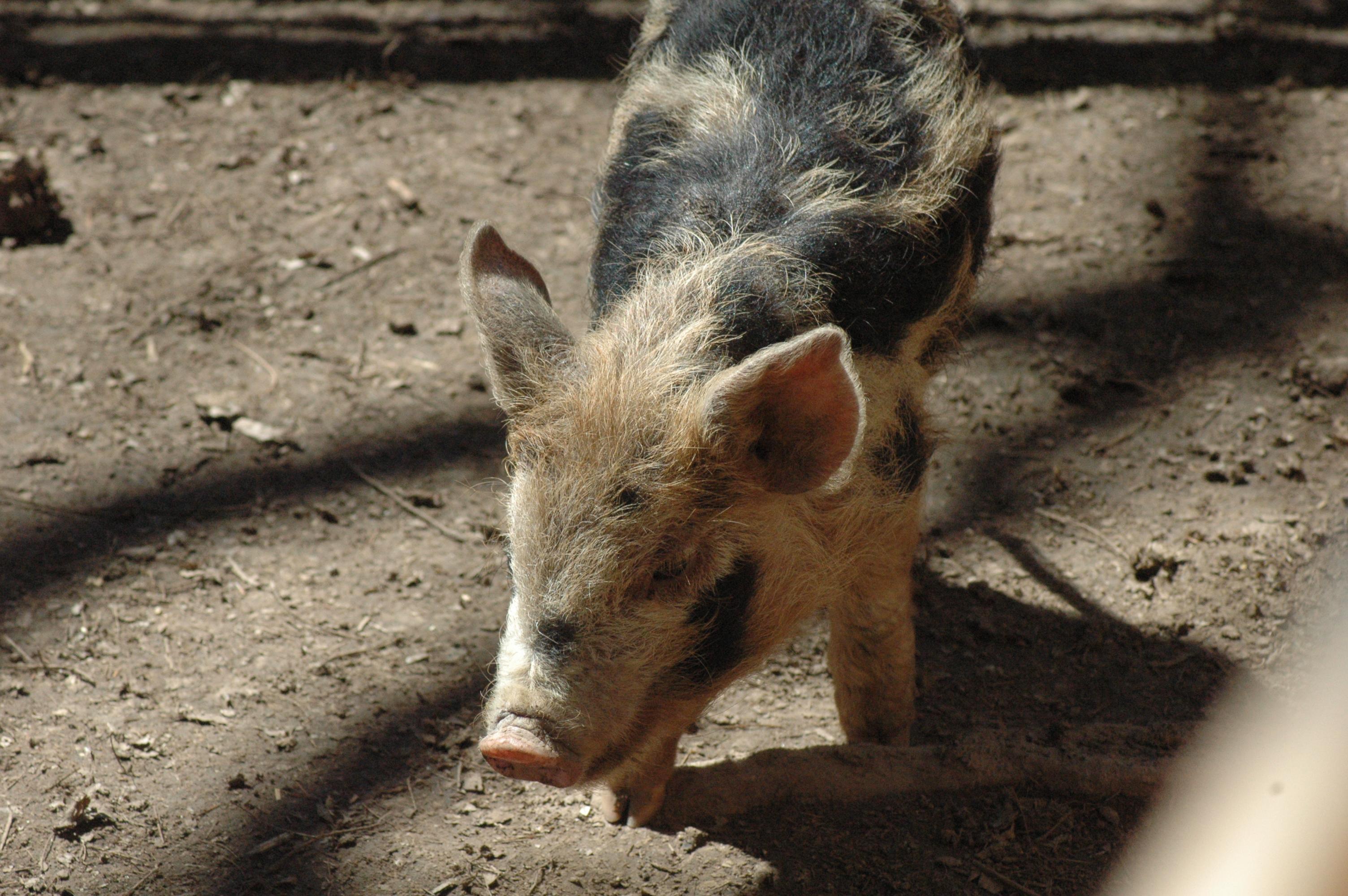
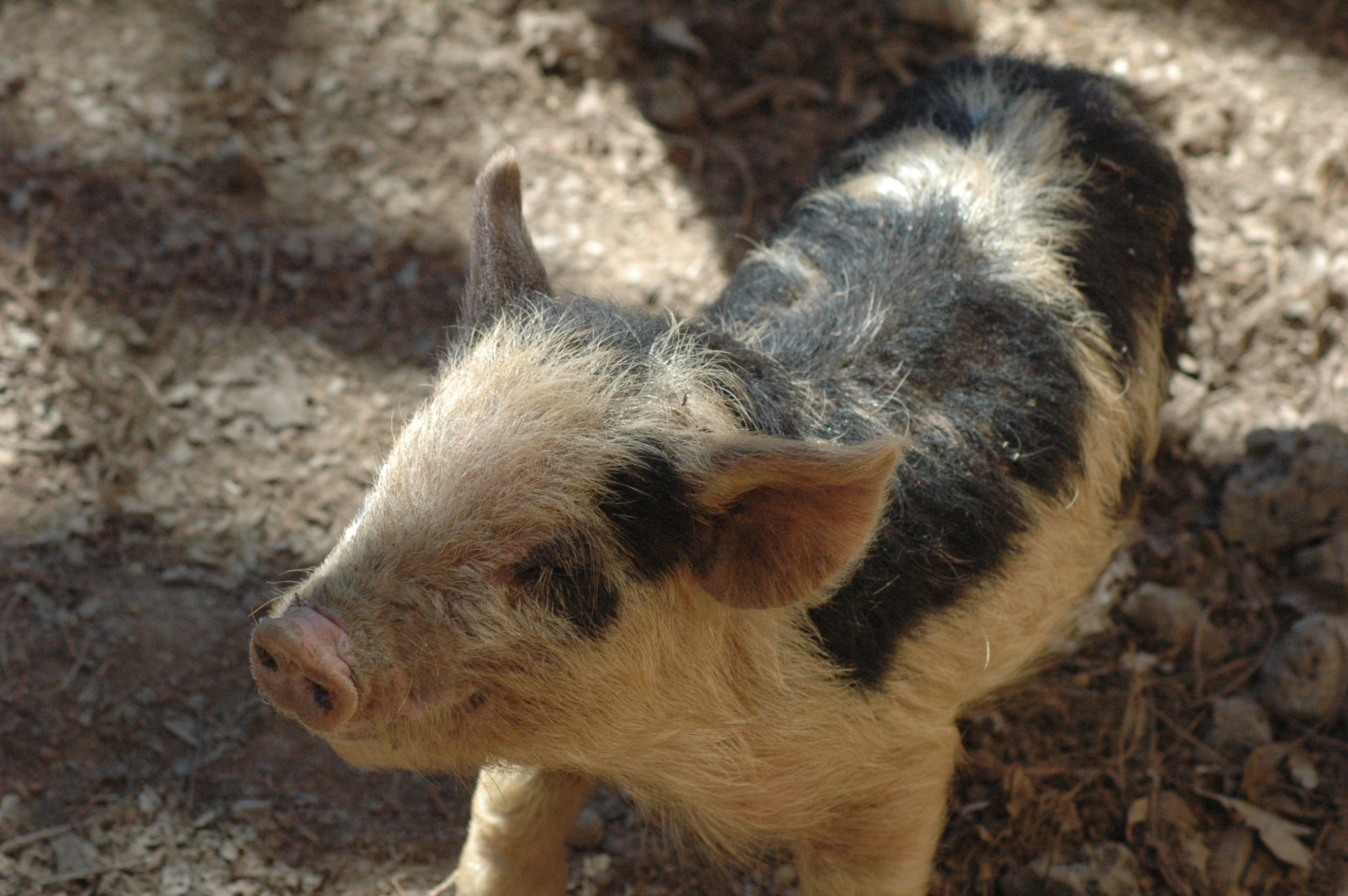
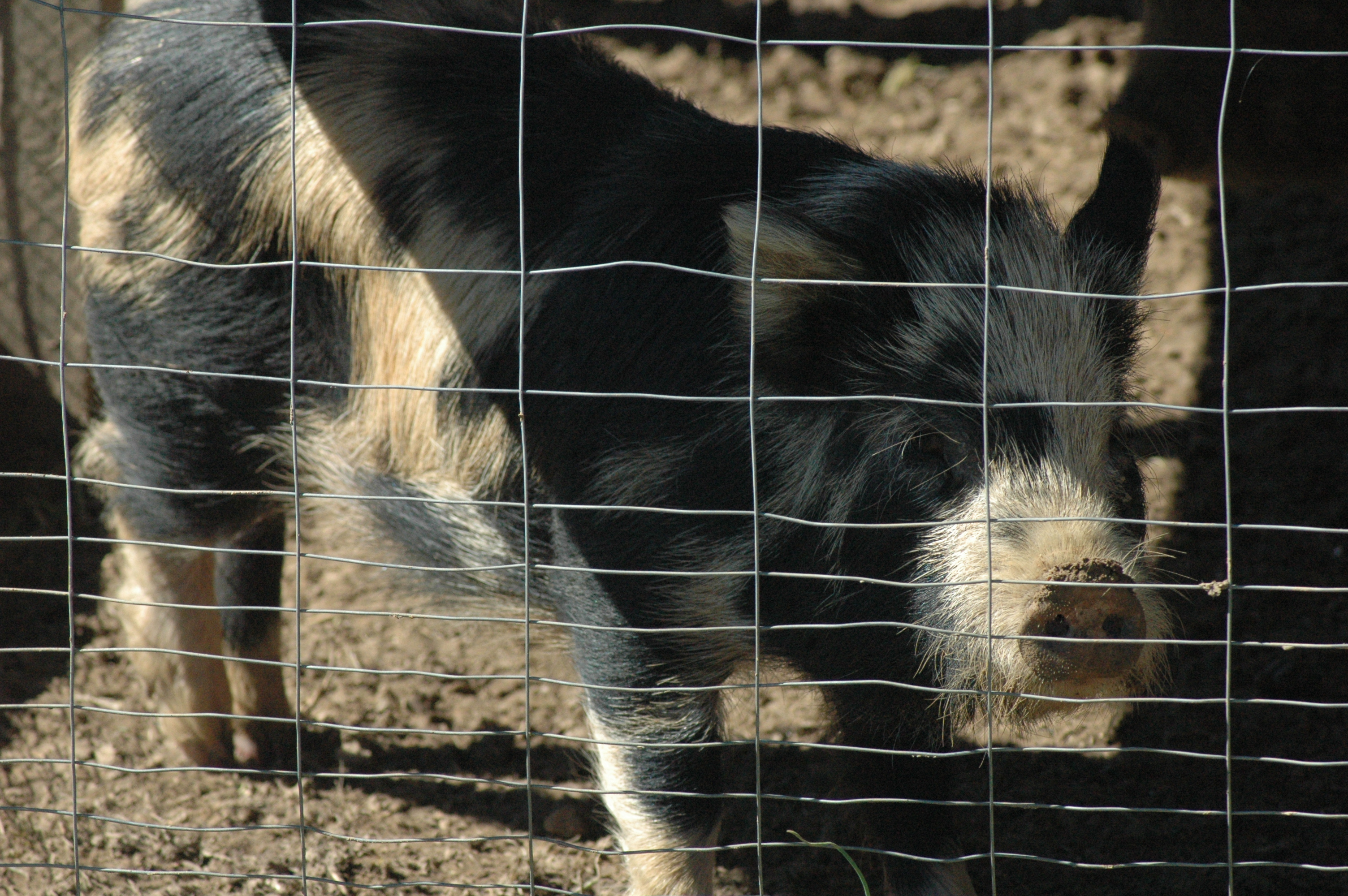
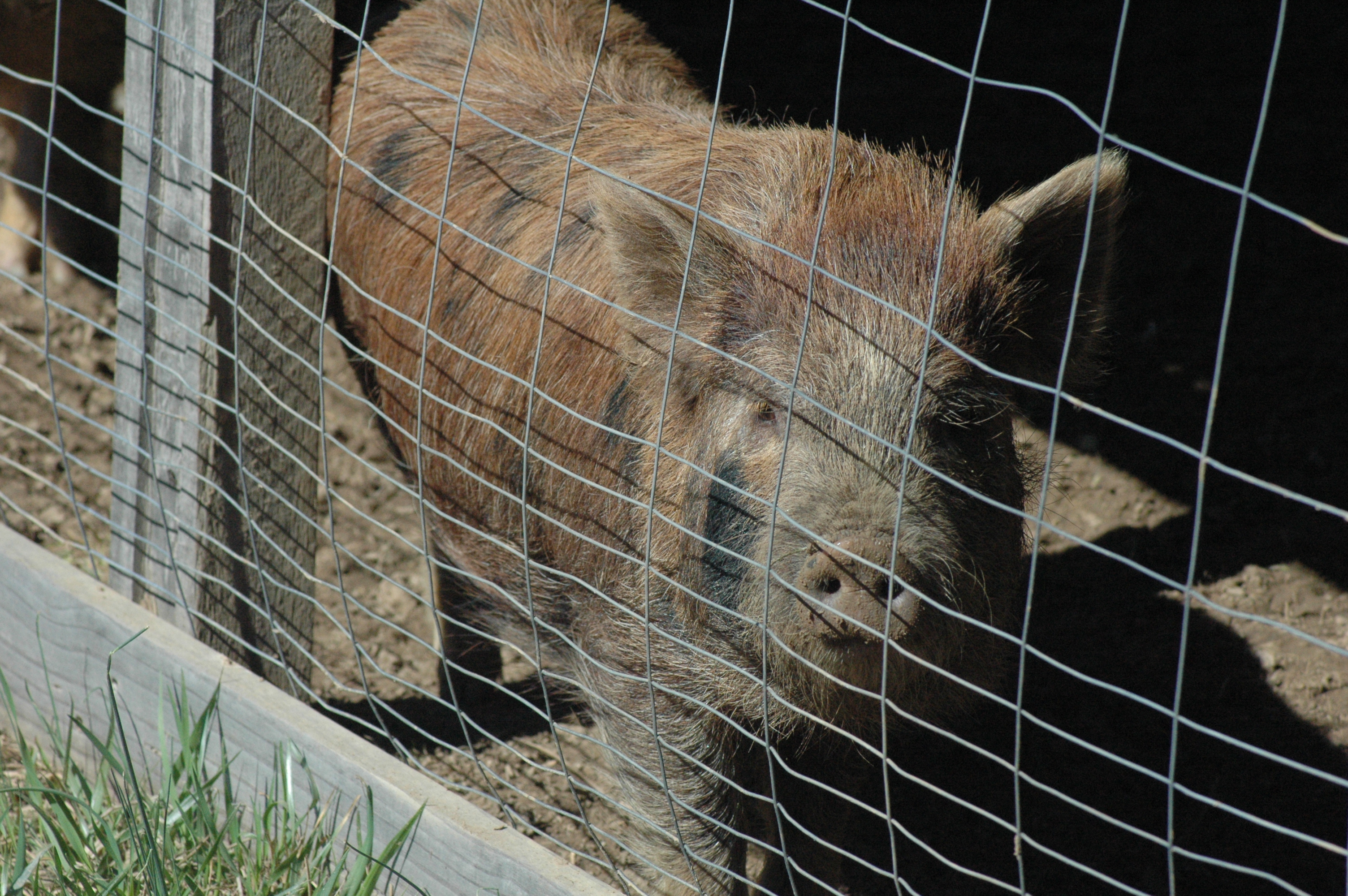
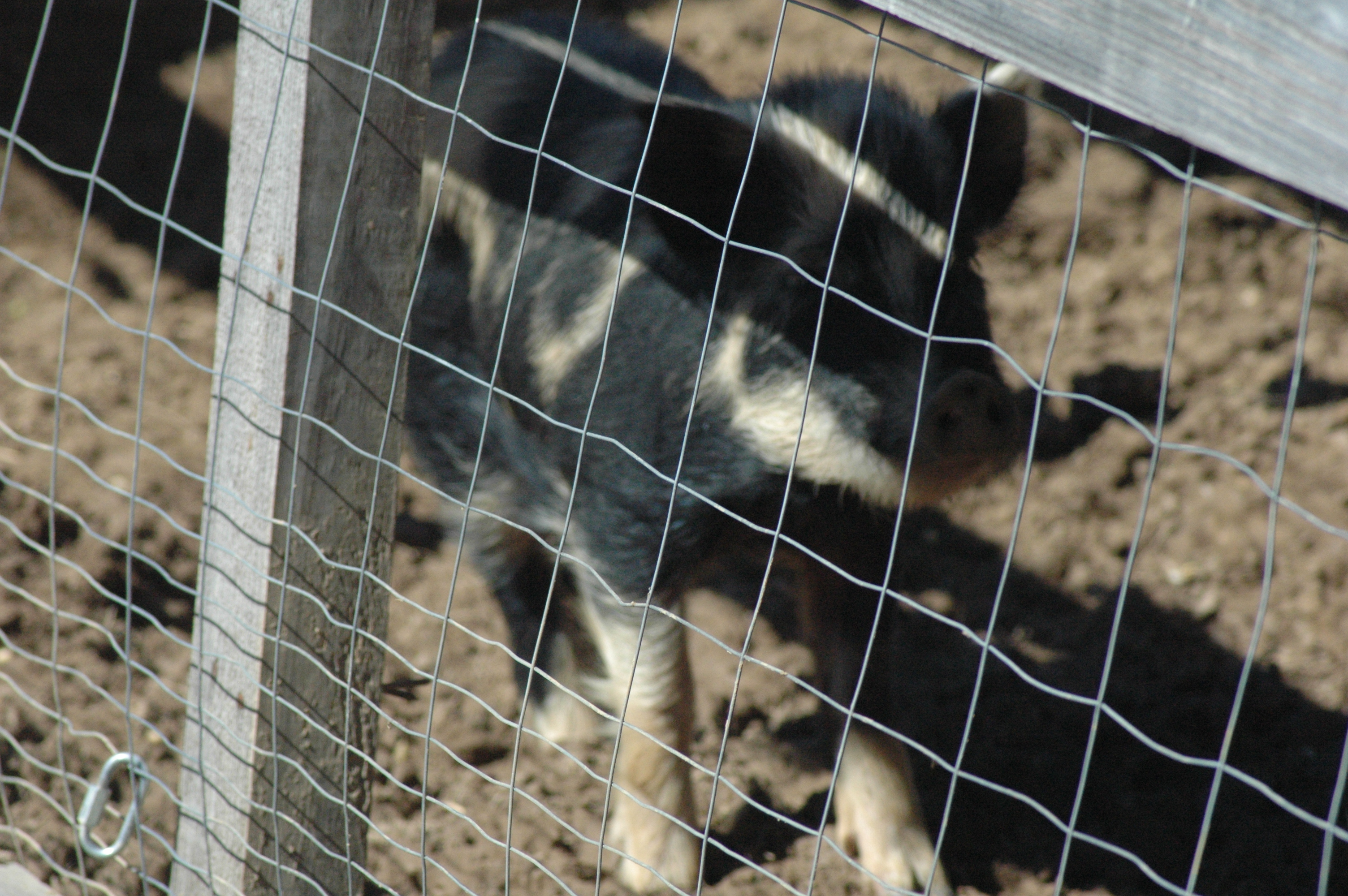
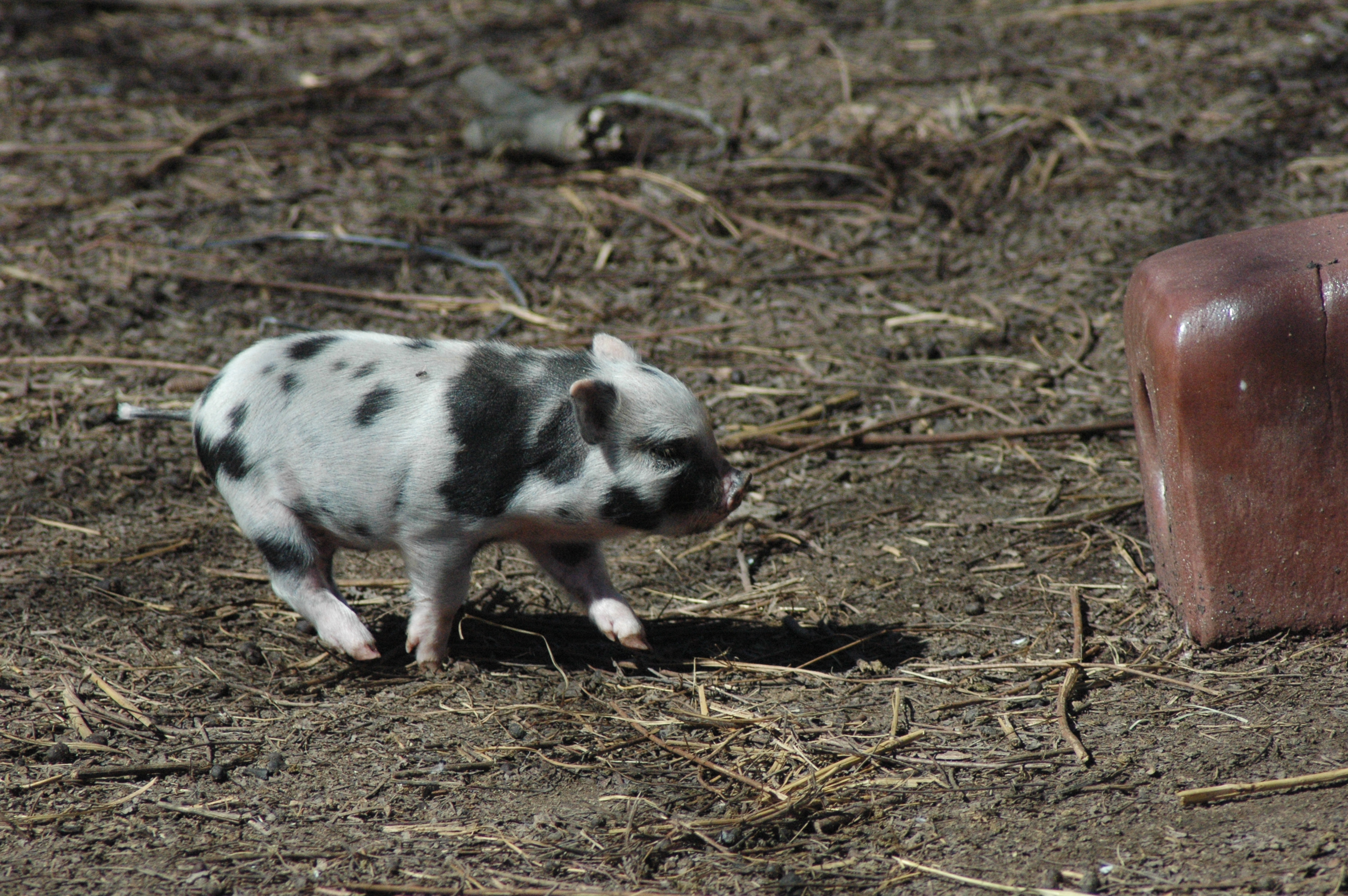
Real farm photography from Triple 5 is included below to keep this guide grounded in live homestead conditions.

Comments