Identification
Common names: Castor Bean. Scientific name: Ricinus communis. Family: Euphorbiaceae.
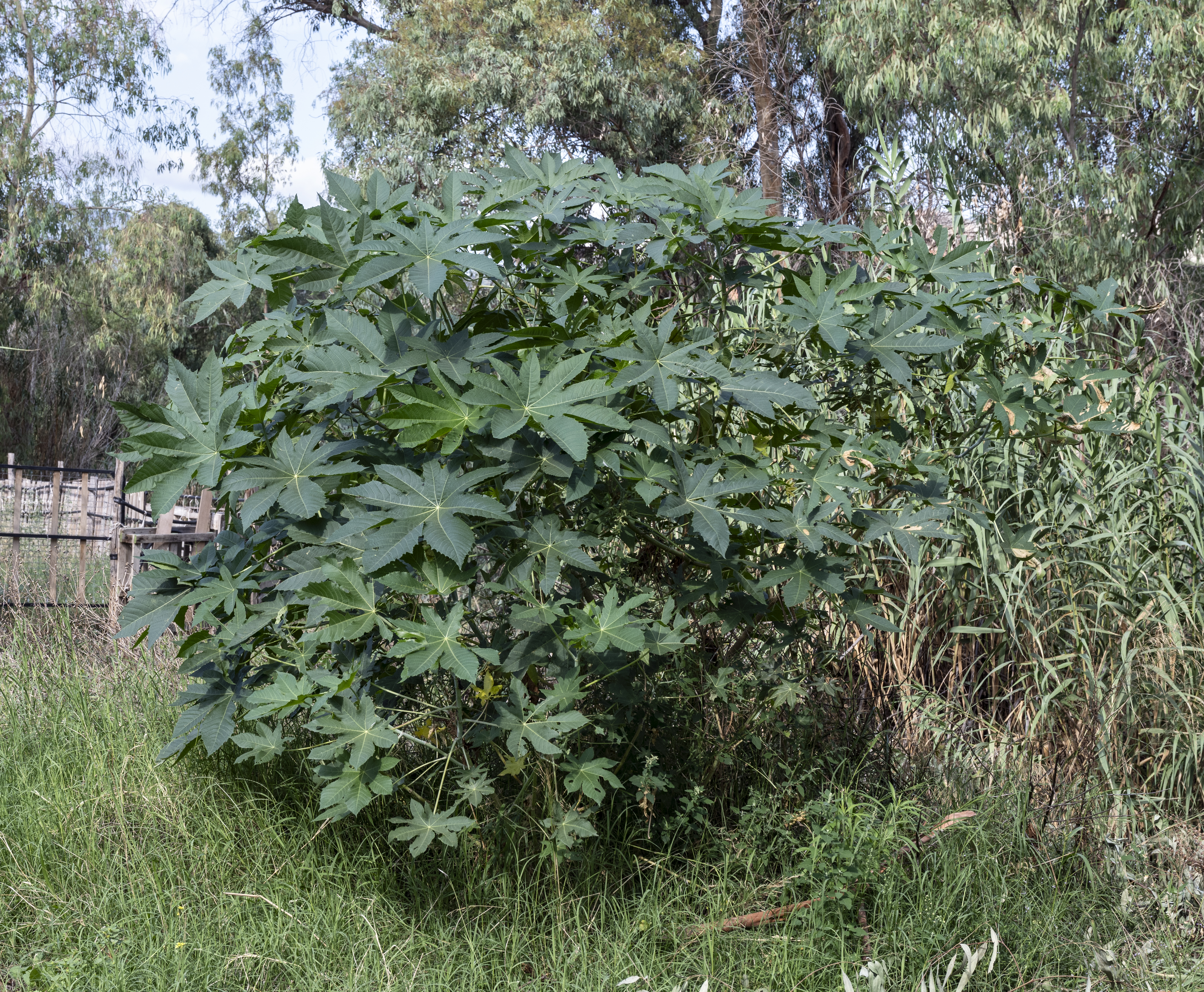
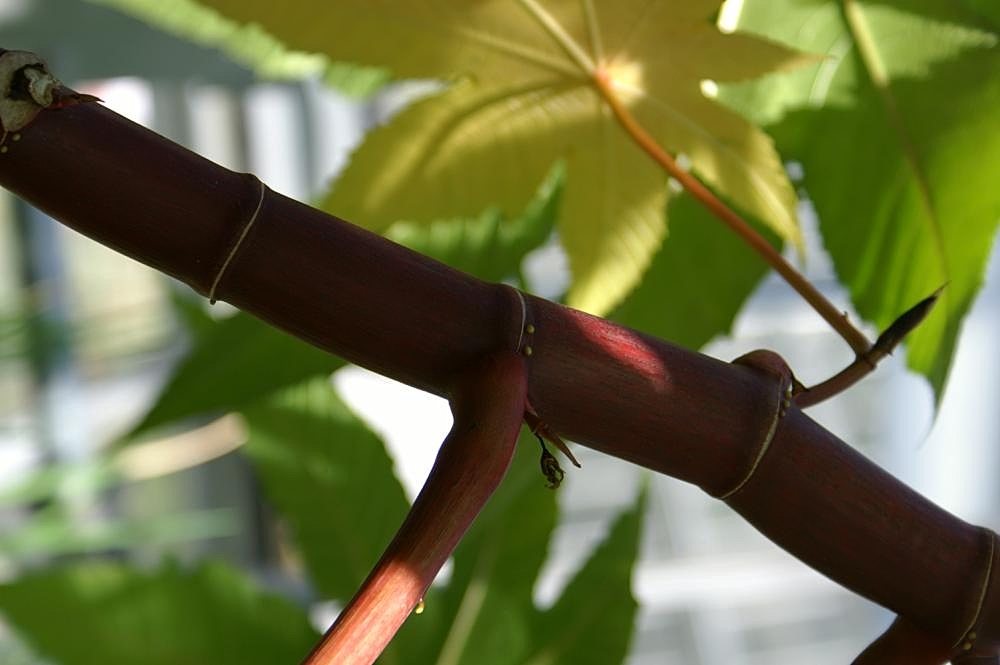
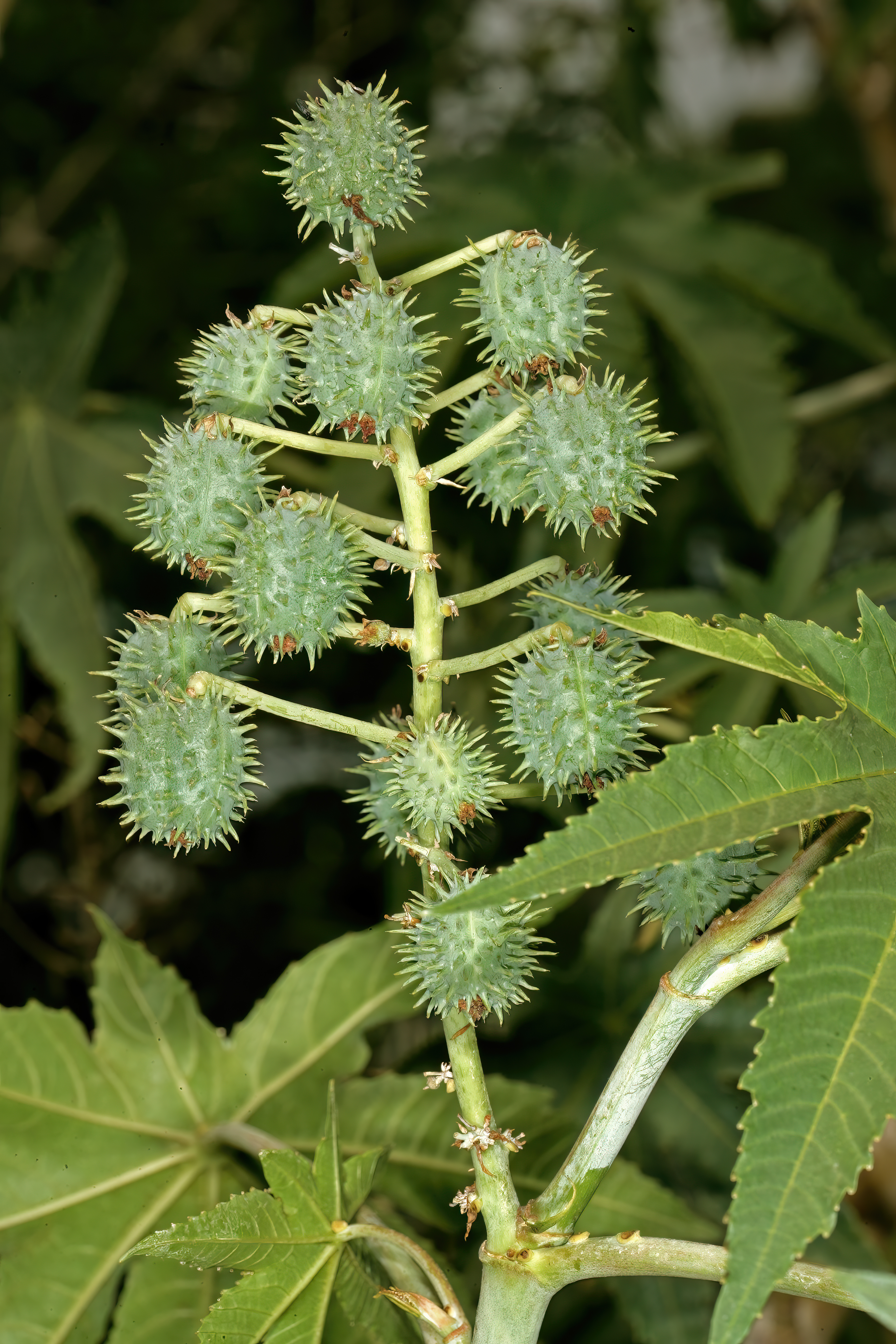
Large broadleaf ornamental with palmate leaves and spiny seed capsules. Always verify leaf, stem, flower, and growth habit together before forage, browsing, or harvest decisions.







Habitat and Range
Ornamental beds and disturbed warm-season sites. In TN/KY transition farms, localized moisture and disturbance shifts can change where this plant appears year to year.
Sun and fertile warm soils support rapid growth. Match these site preferences to paddock pressure and rotational timing for practical control or utilization.
Ecological Role
Decorative plant with extreme toxicity significance in farm environments. Ecological behavior directly impacts pollinator support, forage composition, and long-term weed management labor.
Agricultural and Homestead Value
No safe forage utility. Practical value depends on livestock class, season, and total feed context rather than one plant in isolation.
Forage and management tags: extreme hazard plant.
Toxicity and Animal Interaction
Toxicity level: Severe toxicity concern. Seeds contain ricin and can cause severe poisoning with small exposures. Chemistry context: Ricin protein toxin is principal hazard chemistry..
Animals affected or monitored: goats, cattle, horses, dogs, cats, poultry. Symptoms to watch: vomiting, diarrhea, weakness, dehydration, collapse.
Veterinary Response Notes
Emergency veterinary/medical care is required for suspected exposure. If a herd event is active, preserve samples and timeline details for your veterinarian.
Historical and Cultural Uses (Archive Context)
Historically linked to industrial castor oil processing with strict controls. Historical references are archival context, not modern treatment protocols.
Historical remedy tags: historical toxic chemistry record.
Foraging and Cultivation Guidance
Never ingest or feed plant parts.
Do not cultivate in mixed farm settings with animal access.
Codex Navigation
Categories: toxic plants, ornamental risk plants.
Use the Plant Codex hub, symptom index, and historical remedy index.
Related Triple 5 resources: Homestead Codex, Animals from Triple 5, Farm Goods, and Farm Experiences.
Source Reference Appendix
This page is a practical synthesis for farm decision-making. It does not replace veterinary diagnosis, extension consultation, or emergency response.
Entry lookup terms: Castor Bean; Ricinus communis.