Identification
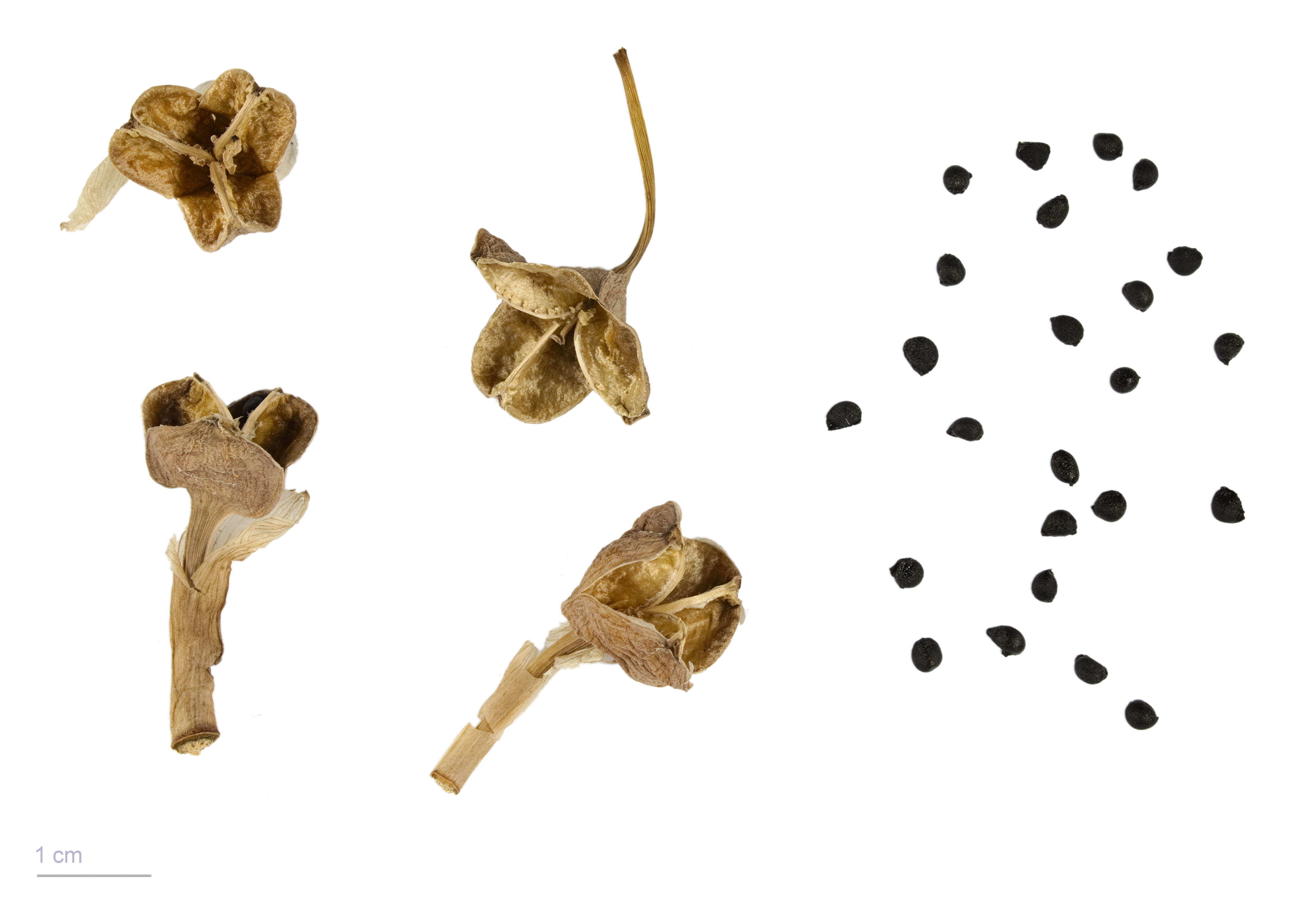
Common names: Daffodil. Scientific name: Narcissus pseudonarcissus. Family: Amaryllidaceae.
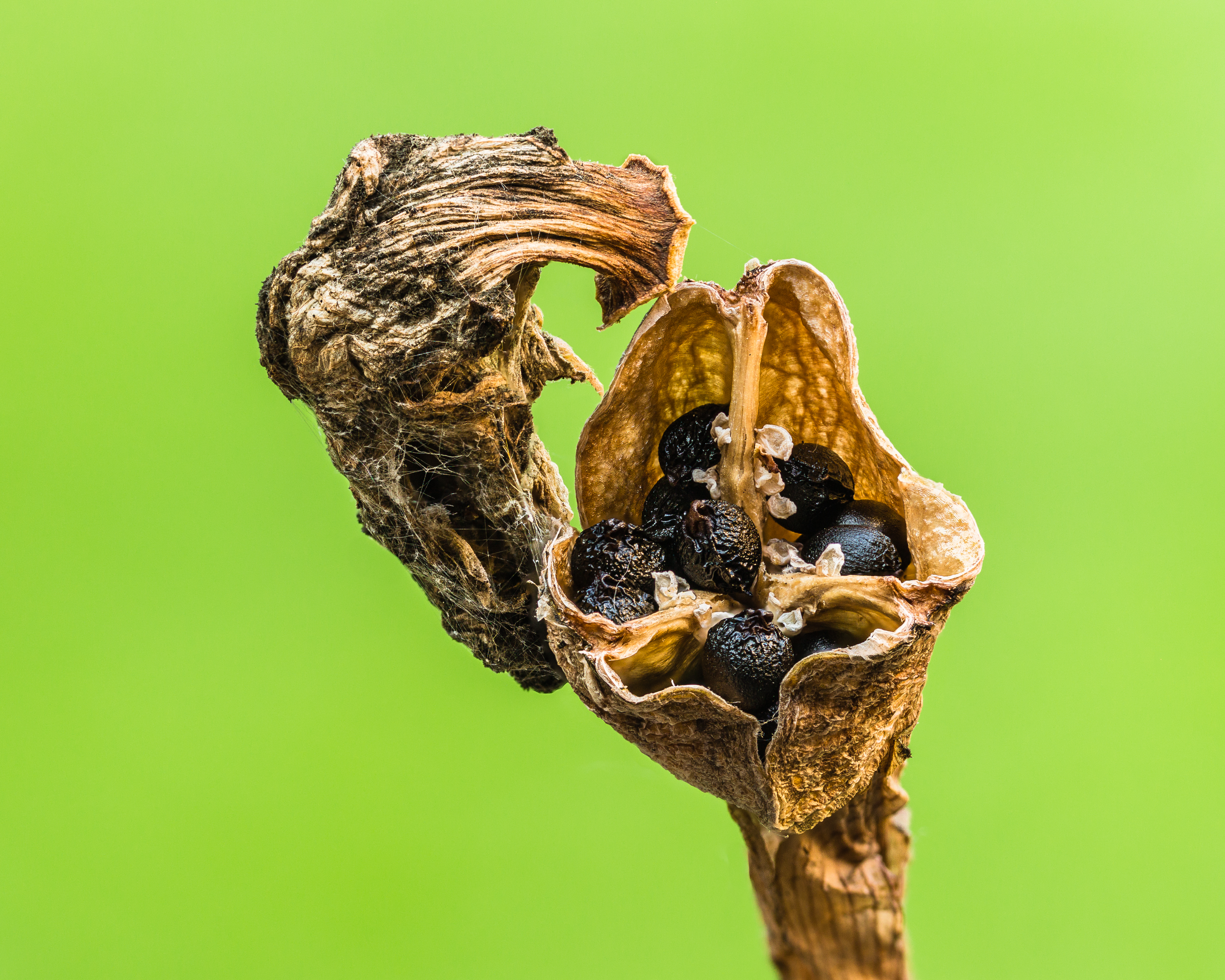
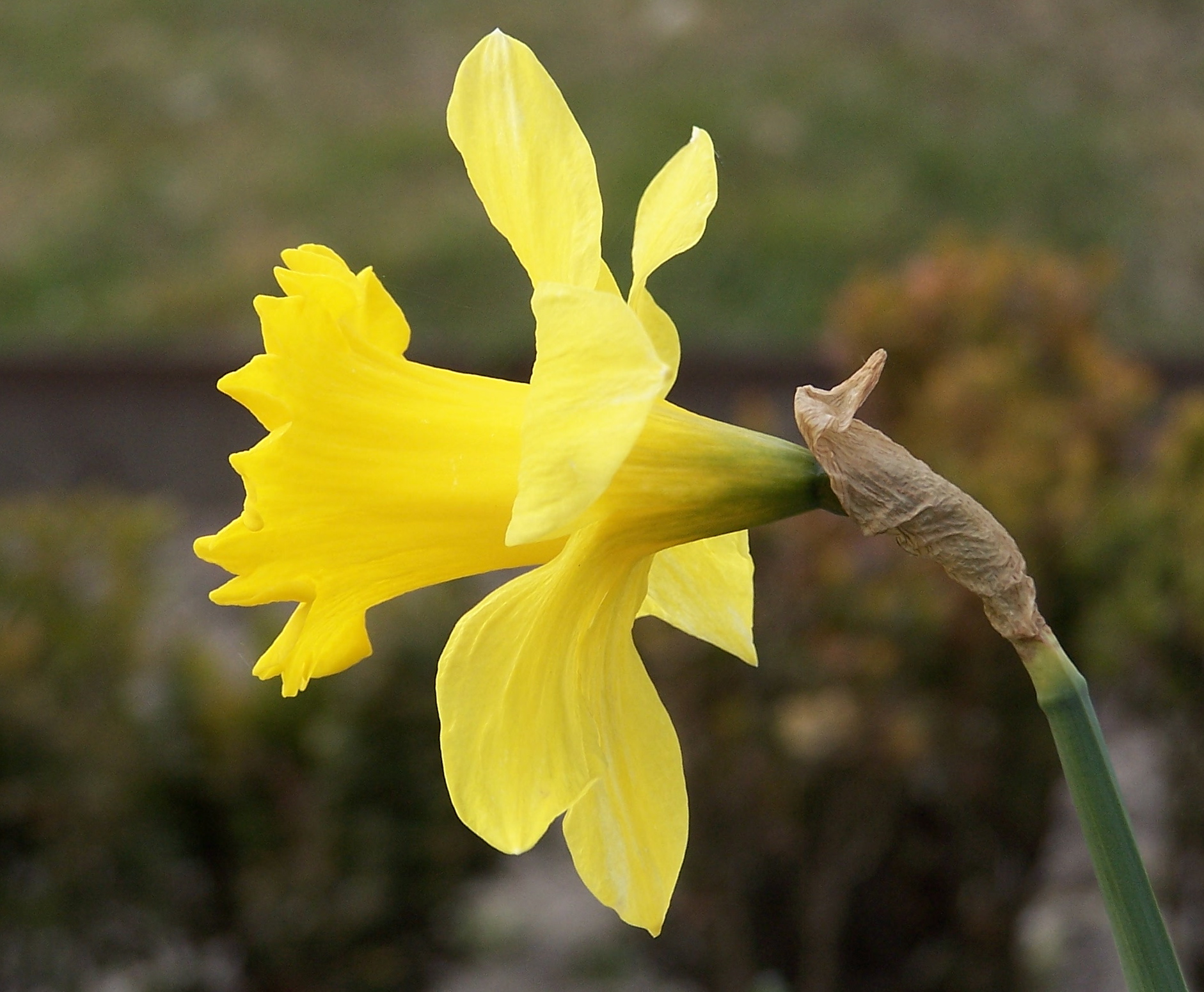
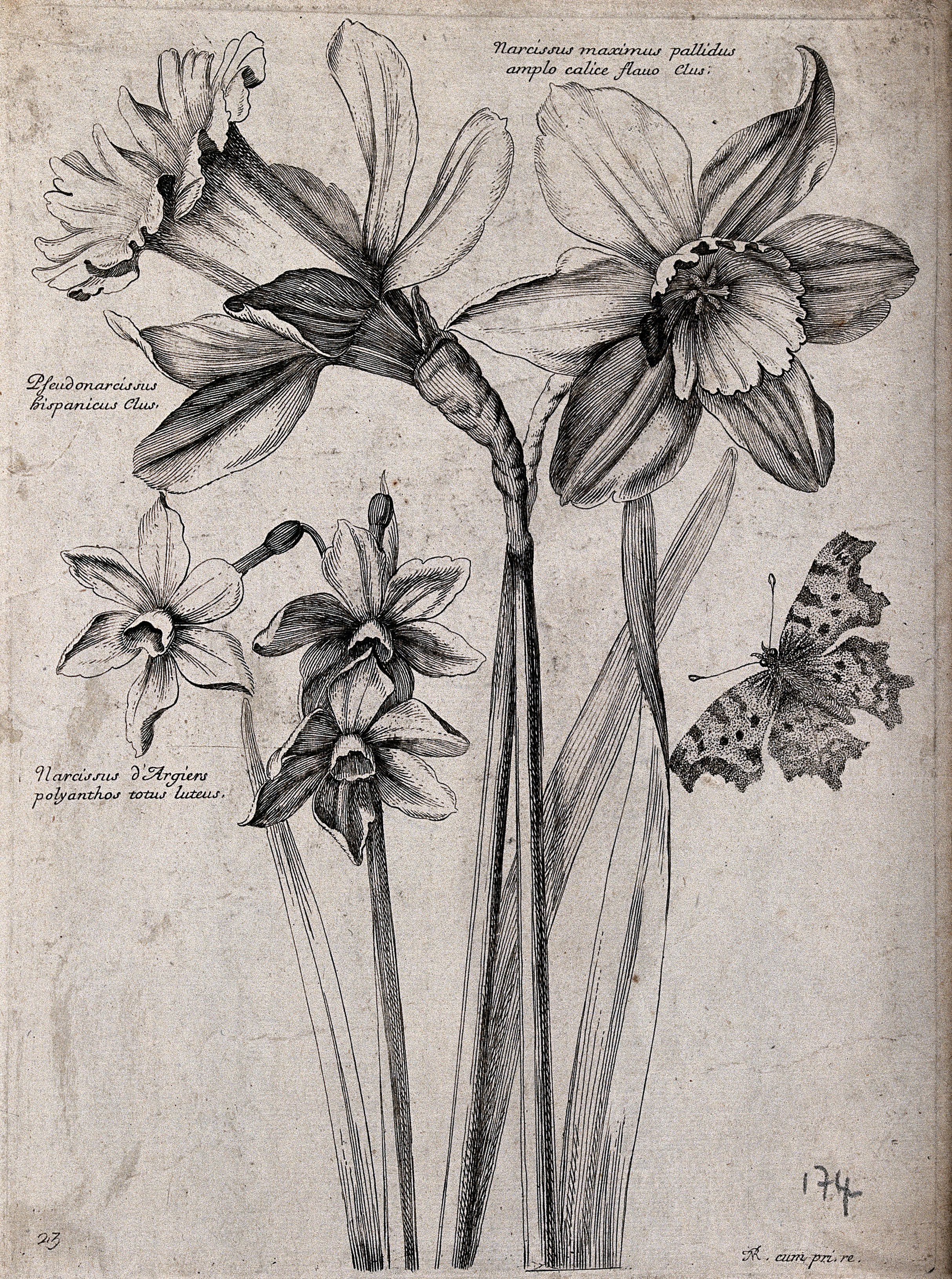
Daffodil is an ornamental species that should be positively identified and kept out of feed pathways. Always verify leaf, stem, flower, and growth habit together before forage, browsing, or harvest decisions.





Habitat and Range
Usually planted in landscape beds, entrances, and home-site ornamentals. In TN/KY transition farms, localized moisture and disturbance shifts can change where this plant appears year to year.
Grown intentionally in maintained beds with species-specific sun and moisture preferences. Match these site preferences to paddock pressure and rotational timing for practical control or utilization.
Ecological Role
Provides ornamental value but creates avoidable livestock and pet risk when accessible. Ecological behavior directly impacts pollinator support, forage composition, and long-term weed management labor.
Agricultural and Homestead Value
No forage value in production systems. Practical value depends on livestock class, season, and total feed context rather than one plant in isolation.
Forage and management tags: bulb toxicity alert.
Toxicity and Animal Interaction
Toxicity level: High toxicity concern. Bulbs are the highest-risk tissue, with leaves and flowers also capable of causing poisoning. Chemistry context: Lycorine and related alkaloids are key toxic compounds..
Animals affected or monitored: goats, cattle, sheep, horses, dogs, cats, poultry. Symptoms to watch: drooling, vomiting, diarrhea, weakness.
Veterinary Response Notes
If active herd signs appear, remove exposure, preserve plant samples, and coordinate diagnosis with a veterinarian. If a herd event is active, preserve samples and timeline details for your veterinarian.
Historical and Cultural Uses (Archive Context)
Historical farm references are included for context and should not be treated as modern medical instructions. Historical references are archival context, not modern treatment protocols.
Historical remedy tags: historical poison record.
Foraging and Cultivation Guidance
Use positive identification and clean harvest locations for any human or livestock-use decision.
Management should match season, growth stage, and the farm rotation plan.
Codex Navigation
Categories: toxic plants, ornamental risk plants.
Use the Plant Codex hub, symptom index, and historical remedy index.
Related Triple 5 resources: Homestead Codex, Animals from Triple 5, Farm Goods, and Farm Experiences.
Source Reference Appendix
This page is a practical synthesis for farm decision-making. It does not replace veterinary diagnosis, extension consultation, or emergency response.
Entry lookup terms: Daffodil; Narcissus pseudonarcissus.