Identification
Common names: Echinacea. Scientific name: Echinacea purpurea. Family: Asteraceae.
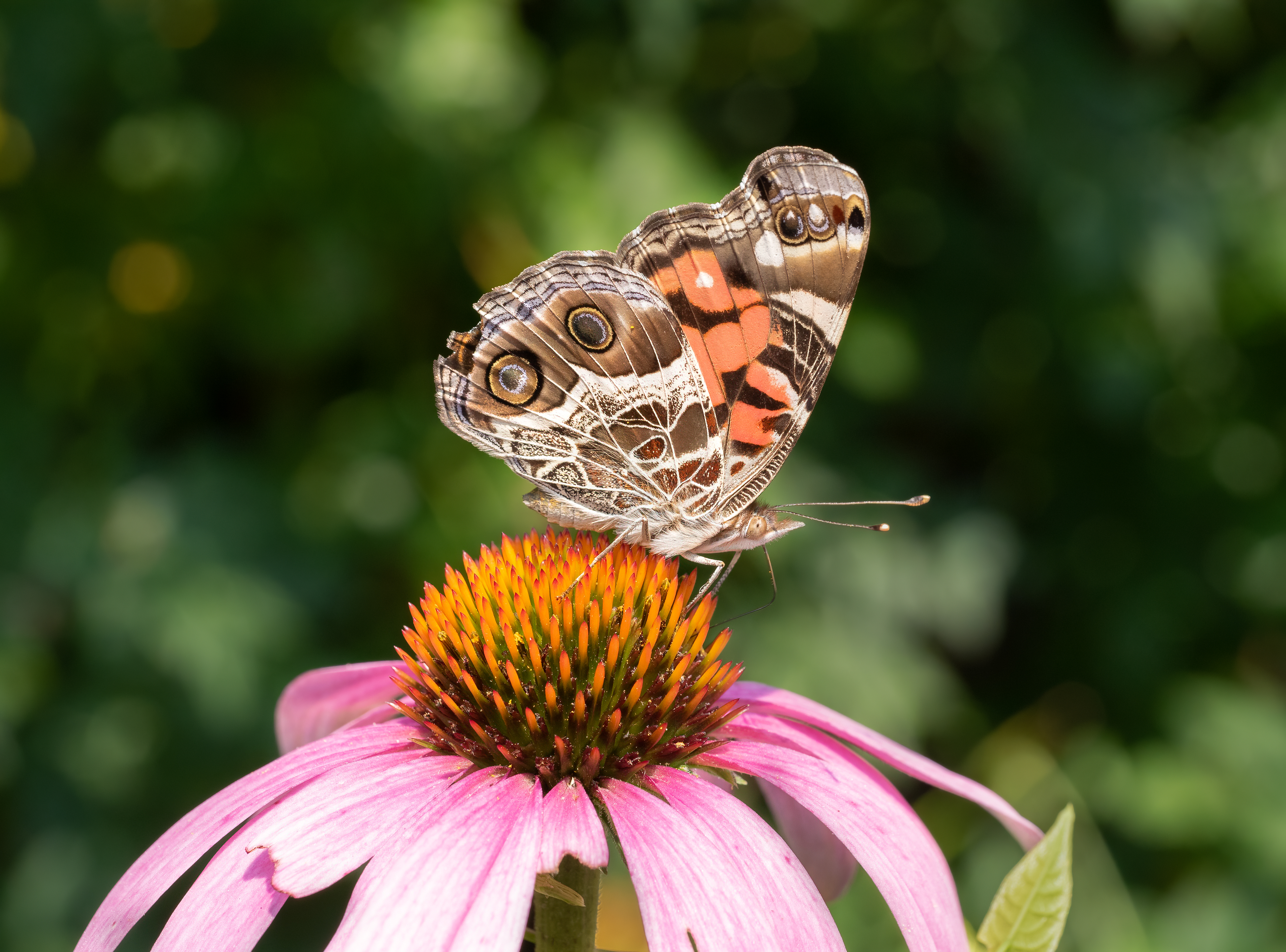
Perennial with rough leaves and purple coneflowers on upright stems. Always verify leaf, stem, flower, and growth habit together before forage, browsing, or harvest decisions.






Habitat and Range
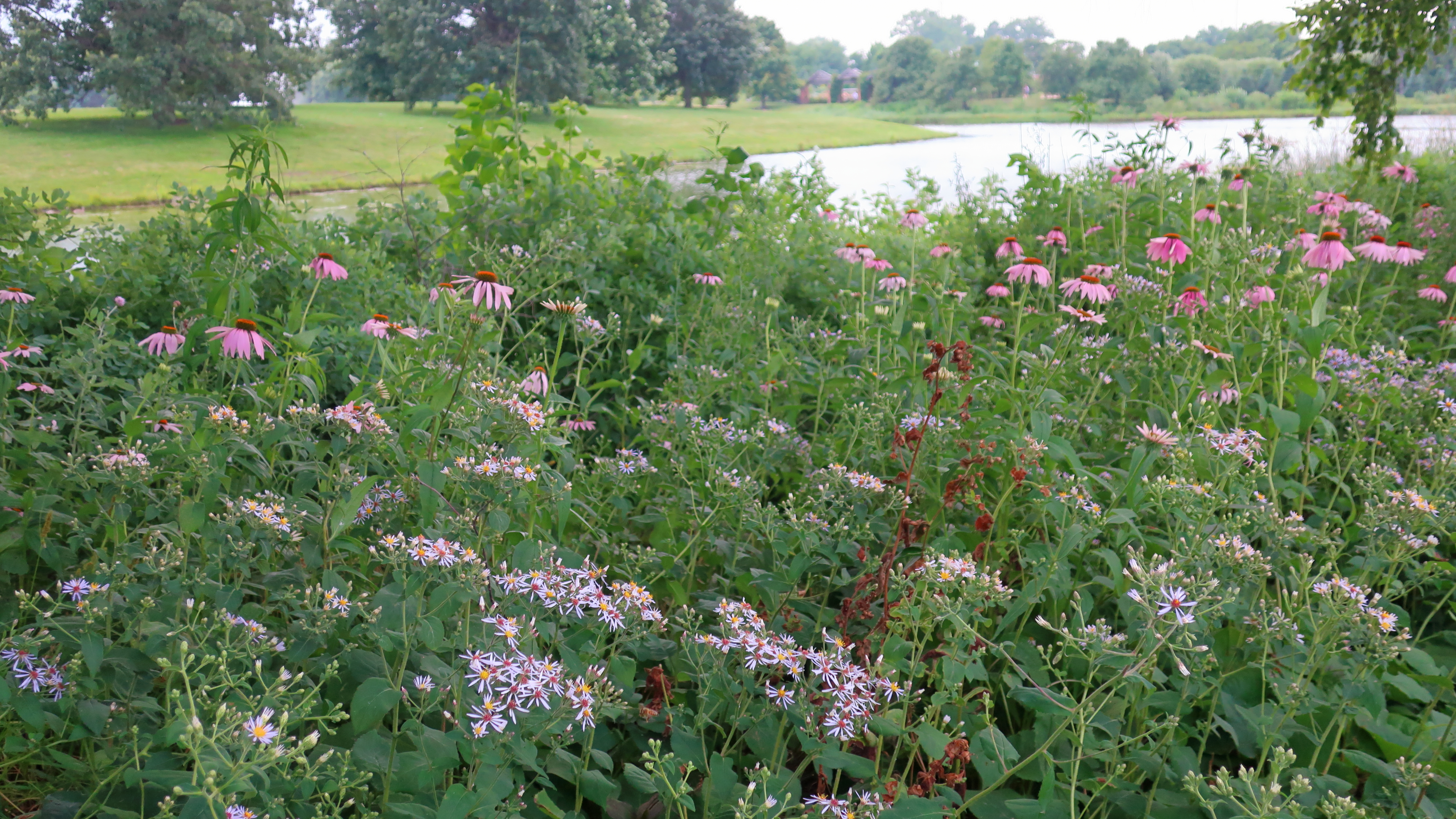
Herb gardens, pollinator strips, and some native-style plantings. In TN/KY transition farms, localized moisture and disturbance shifts can change where this plant appears year to year.
Sun with well-drained soil and moderate fertility performs best. Match these site preferences to paddock pressure and rotational timing for practical control or utilization.
Ecological Role
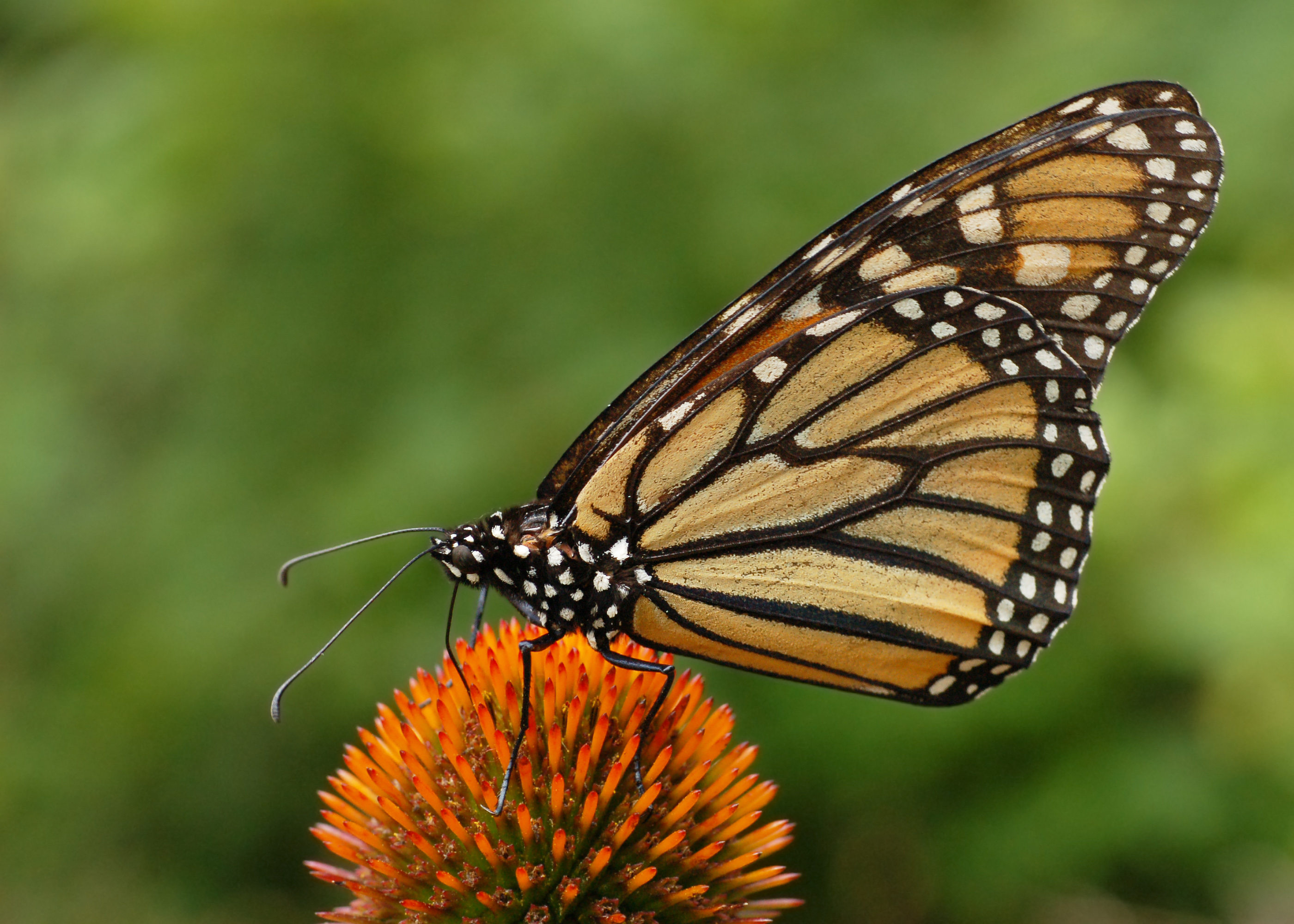
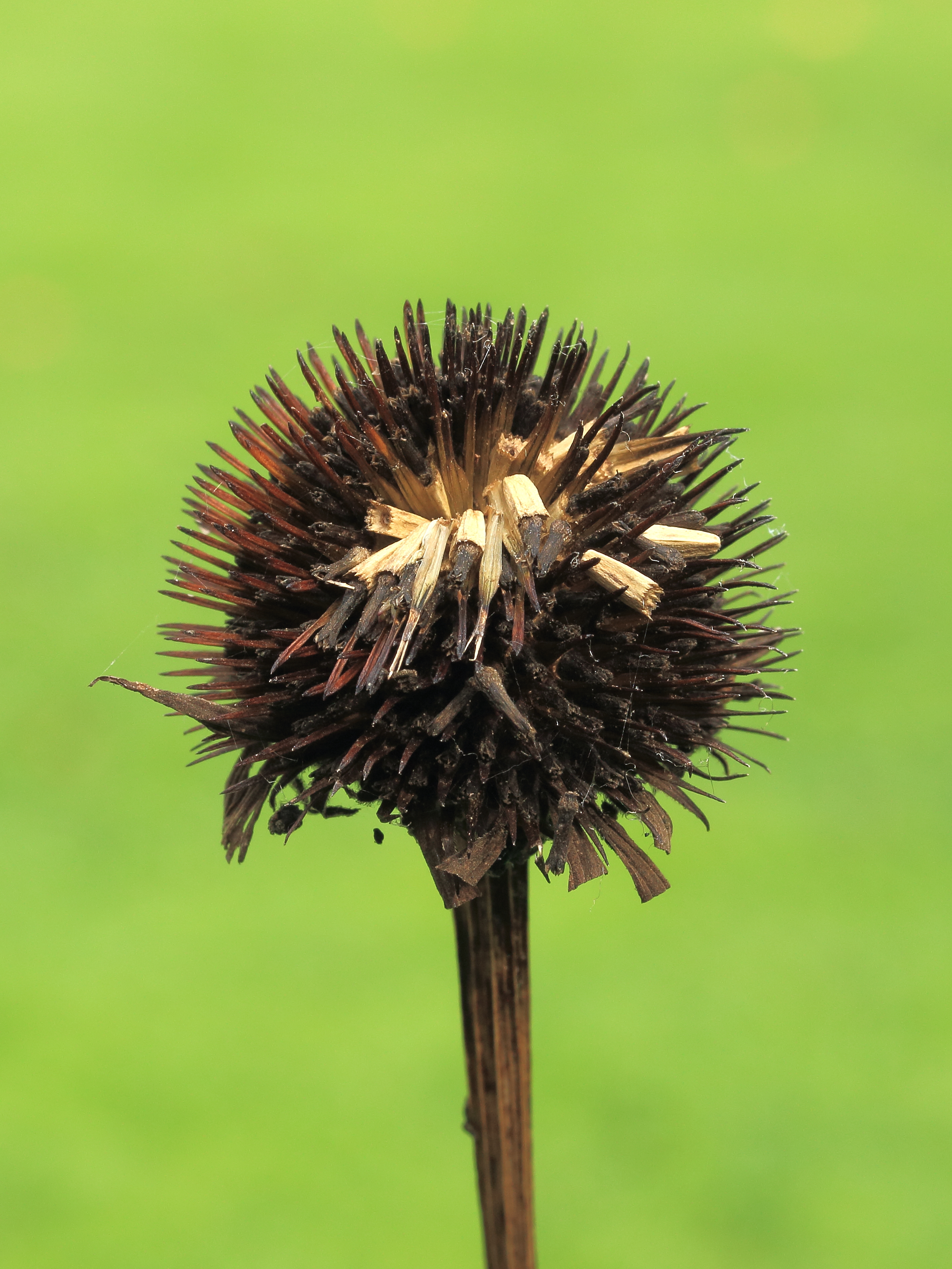
Pollinator resource and seedhead wildlife support species. Ecological behavior directly impacts pollinator support, forage composition, and long-term weed management labor.
Agricultural and Homestead Value
Useful as medicinal-history and pollinator plant rather than forage crop. Practical value depends on livestock class, season, and total feed context rather than one plant in isolation.
Forage and management tags: herb-garden species.
Toxicity and Animal Interaction
Toxicity level: Generally low concern. Low direct toxicity profile with occasional sensitivity reactions. Chemistry context: Alkamides and phenolic compounds are widely noted in literature..
Animals affected or monitored: pollinators, goats, dogs. Symptoms to watch: low direct toxicity concern.
Veterinary Response Notes
Stop exposure and seek veterinary guidance if sensitivity signs appear. If a herd event is active, preserve samples and timeline details for your veterinarian.
Historical and Cultural Uses (Archive Context)
Prominent in North American medicinal history archives. Historical references are archival context, not modern treatment protocols.
Historical remedy tags: immune folklore.
Foraging and Cultivation Guidance
Use only from verified cultivated stands with clear identification.
Easy perennial from seed/transplant in well-drained sun.
Codex Navigation
Categories: medicinal history plants, pollinator plants, native plants.
Use the Plant Codex hub, symptom index, and historical remedy index.
Related Triple 5 resources: Homestead Codex, Animals from Triple 5, Farm Goods, and Farm Experiences.
Source Reference Appendix
This page is a practical synthesis for farm decision-making. It does not replace veterinary diagnosis, extension consultation, or emergency response.
Entry lookup terms: Echinacea; Echinacea purpurea.
Historical Context: This plant is also documented in our Historical Remedy Codex, where you can explore its traditional use in tinctures, salves, and folk medicine.