Identification
Common names: Pokeweed, poke, poke sallet plant. Scientific name: Phytolacca americana. Family: Phytolaccaceae.
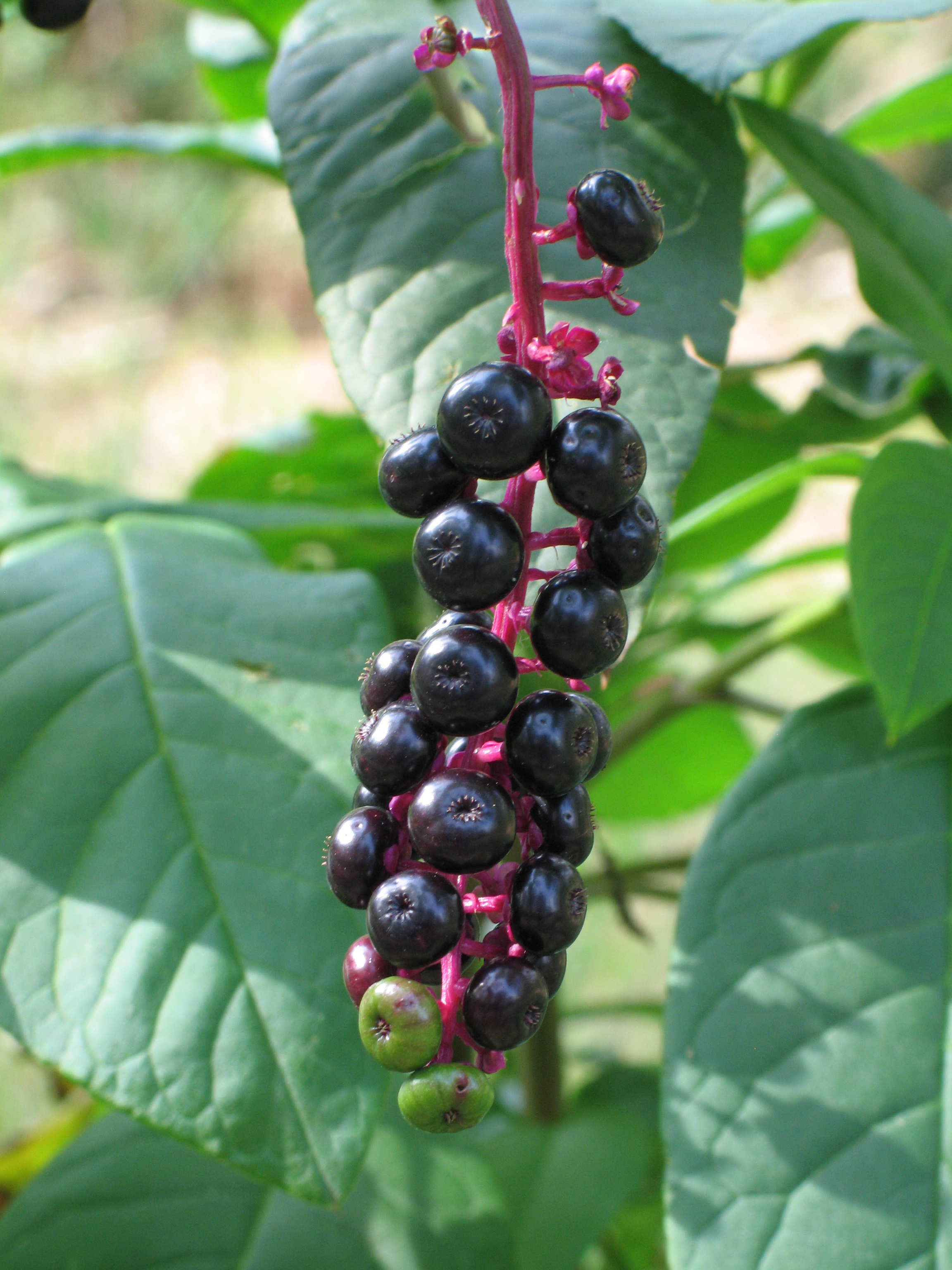
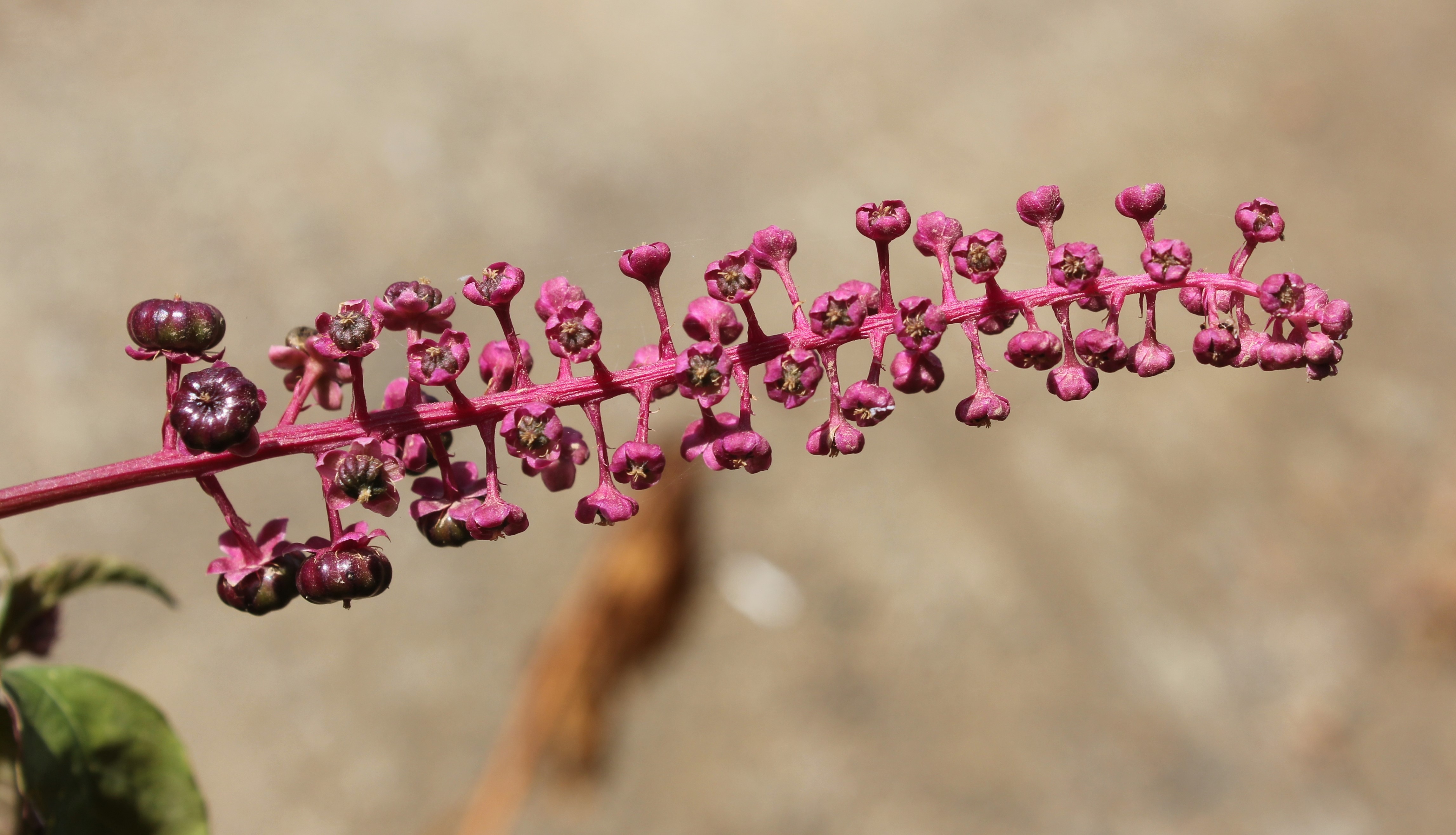
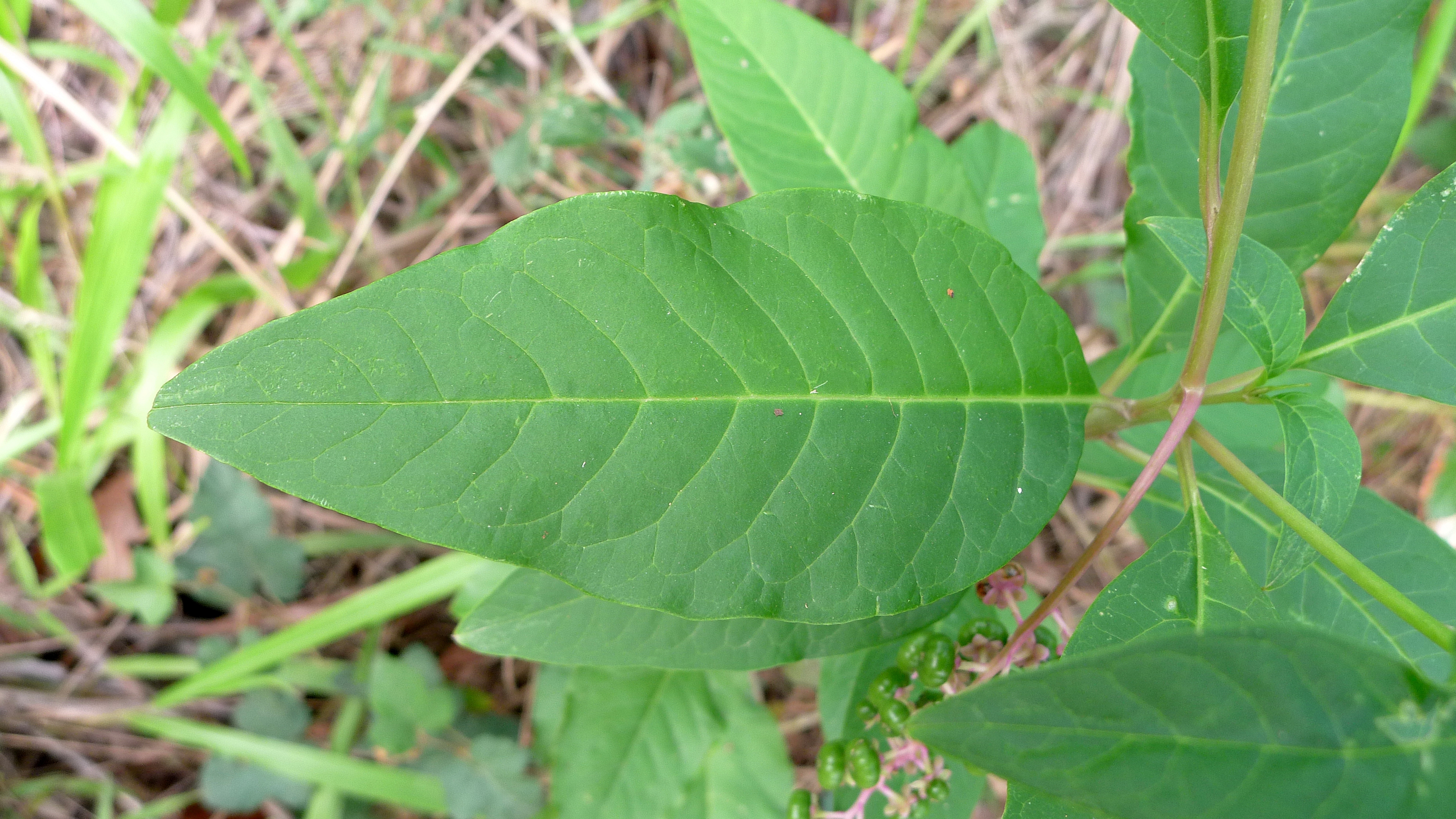
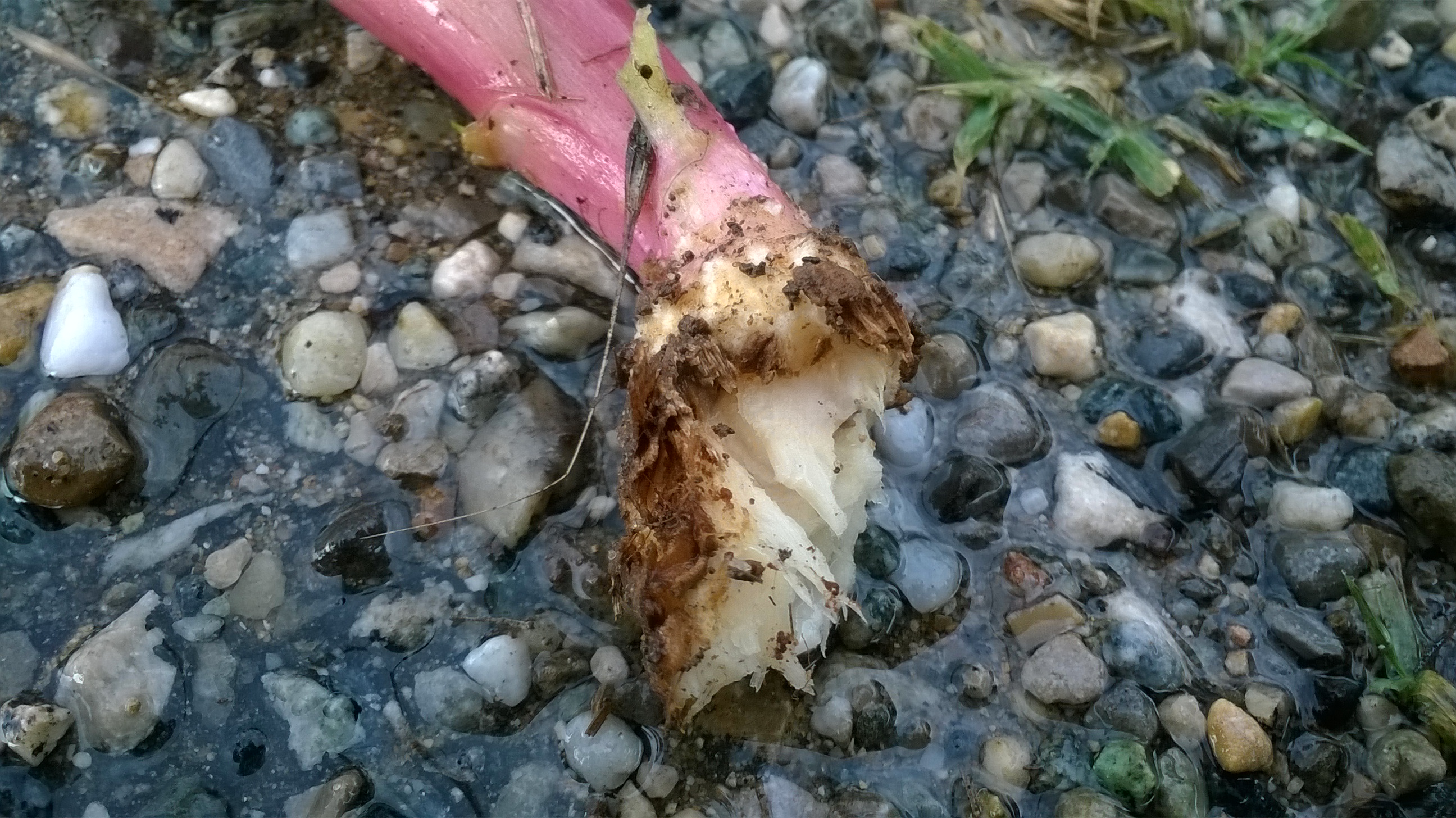
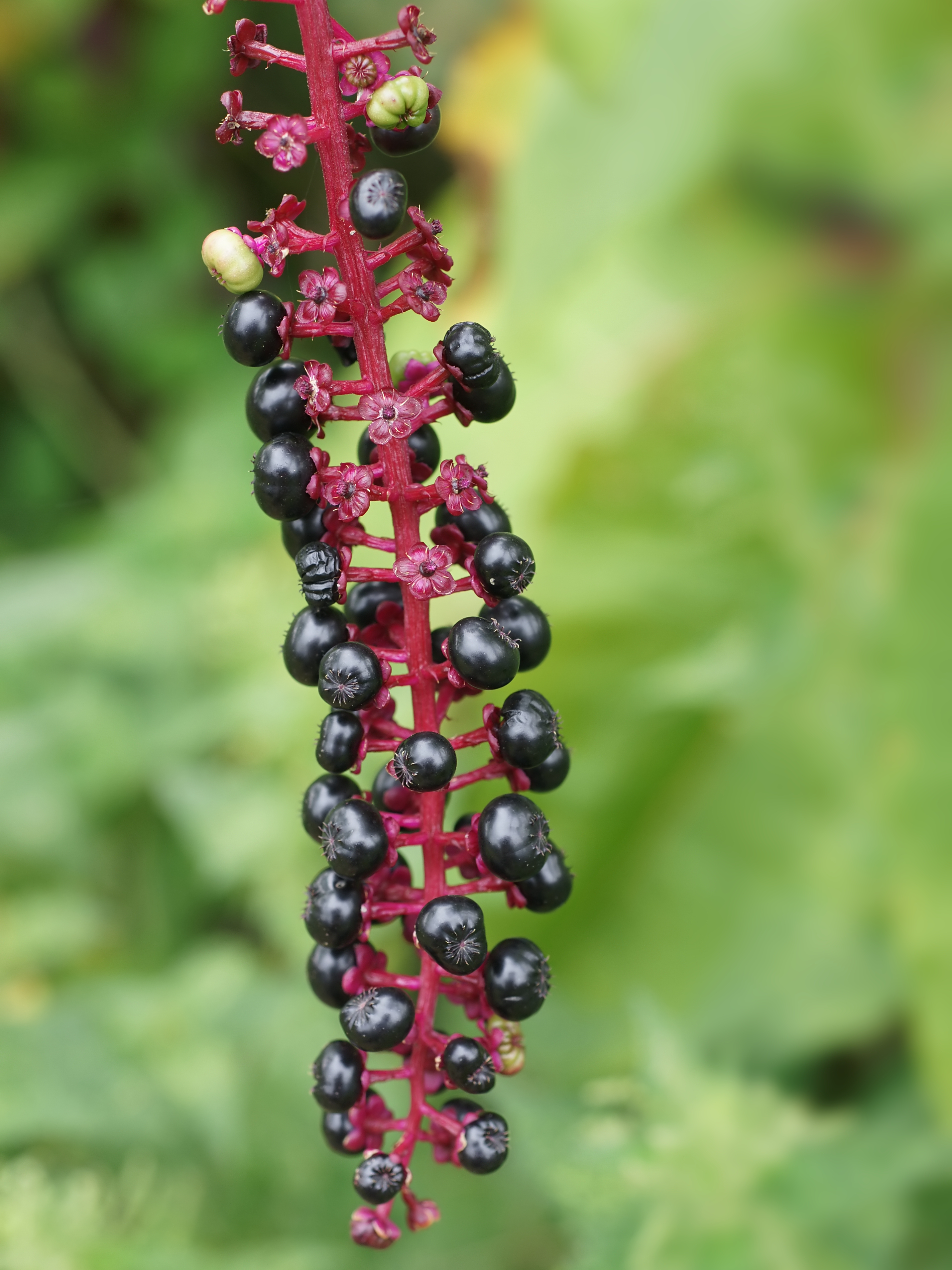
Pokeweed is a robust perennial with red-purple stems at maturity, large alternate leaves, drooping flower/fruit racemes, and dark purple berries. Young shoots can appear deceptively edible to inexperienced observers. Mature plant architecture and berry clusters are usually unmistakable. Look-alikes in this region should be checked carefully before forage, harvest, or grazing decisions are made. When a plant is uncertain, treat identification as unresolved until confirmed by multiple characteristics instead of one photo.





Habitat and Range
Common in disturbed soils, fence rows, old fields, barn margins, and edge habitats across the region. It responds strongly to fertile disturbance and can regrow from large perennial roots. Many homesteads encounter it repeatedly around compost or livestock-adjacent disturbance zones. In west Tennessee and the KY/TN transition, field edges, disturbed soils, and mixed pasture systems change quickly with moisture and temperature swings. Because of that, distribution on one property can look different from year to year even when the plant is persistent in the county.
Tolerates varied soils and grows aggressively in full sun to partial shade. Fertile soils with moisture support larger plants and heavier berry set. Root reserves make it resilient after cutting. Seasonal stress can change growth form, flowering timing, and palatability, so this codex treats habitat notes as a management baseline rather than a fixed rule.
Ecological Role
Provides bird food through berries and contributes to edge ecology succession. Ecological value does not remove livestock risk, so plant function must be separated from grazing safety. Management decisions depend on whether wildlife support or stock safety is the priority in that zone. Ecological function matters on homesteads because pollinator flow, ground cover, and competitive pressure all affect feed costs and weed pressure over time. In rotational systems, understanding this role helps match grazing pressure to recovery instead of reacting only after stand decline appears.
Agricultural and Homestead Value
Generally low positive value in active livestock paddocks because toxicity risk outweighs utility. In non-grazed wildlife edges it may have habitat value. For farm safety, many managers remove or isolate it from stock access. For mixed farms, practical value comes from how the plant performs under labor limits, weather variability, and real fencing constraints. That means a useful species is one that stays predictable enough to fit your daily system rather than one that looks ideal only under textbook conditions.
Forage and management tags: remove from grazing zones, toxic weed alert. These tags are included so livestock keepers can browse by pasture relevance, not just by botany.
Toxicity and Animal Interaction
Toxicity level: High toxicity concern. Pokeweed contains toxic constituents including phytolaccatoxin-related compounds, and all plant parts are considered potentially toxic with root and mature tissues often highlighted as higher risk. Toxicity severity depends on dose, plant part, and species sensitivity. This is a plant where accidental ingestion can become clinically significant quickly. Known chemistry context: Phytolaccatoxin and related triterpene-like toxic constituents are commonly cited in toxic plant references..
Animals affected or monitored: goats, cattle, sheep, pigs, horses, dogs, cats, poultry. Common signs linked to exposure include: drooling, vomiting, diarrhea, weakness, colic signs, depression. Exposure scenarios vary with plant part, growth stage, drought, frost, wilting, mold, and feed scarcity, so risk management should be seasonal and observation-based.
Veterinary Response Notes
Immediate removal from exposure and urgent veterinary contact are recommended when ingestion is suspected. Early supportive care timing can materially affect outcomes in toxic plant events. Do not wait for severe progression when high-risk plants are involved. This section is for early recognition and first-step triage awareness. It is not a substitute for veterinary diagnosis, toxicology confirmation, or treatment planning.
Historical and Cultural Uses (Ethnobotanical Archive Context)
Pokeweed appears in historical food and folk-medicine records with complex preparation traditions and strong caution history. Those records are culturally important but not a safety endorsement for modern casual use. Many poisoning events have occurred from misidentification or improper preparation. These notes are documented as historical record and cultural context, not as modern medical instruction. Traditional use in old literature does not automatically establish safety, efficacy, or dose for modern human or veterinary care.
Historical remedy archive tags: historical external-use folklore.
Foraging and Cultivation Guidance
Do not treat pokeweed as beginner forage. Historical edible traditions involved repeated boiling protocols that do not eliminate all risk and are often misunderstood. Modern farm safety practice is to avoid improvised consumption. Responsible foraging requires positive ID, clean harvest locations, and conservative first-use practice. If a dangerous look-alike exists, avoid casual harvest and verify with multiple references before consumption.
Usually not intentionally cultivated in livestock-centric systems. Control by root removal or repeated suppression before seed set. Wear protective handling gear when removing mature plants. On homesteads, intentional cultivation decisions should include livestock access planning so useful plants are not overgrazed and risky plants are not accidentally concentrated.
Known Chemistry and Safety Framing
Phytolaccatoxin and related triterpene-like toxic constituents are commonly cited in toxic plant references. Plant chemistry can shift by season, stress, and plant part, which is why this codex frames toxicity and medicinal history with caution language. If symptoms appear in livestock, treat it as a time-sensitive management issue and contact a veterinarian promptly.
Codex Navigation
Categories: toxic plants, weeds, wild plants.
Use the Plant Codex hub, symptom index, and historical remedy index to continue research by problem type.
Related Triple 5 resources: Homestead Codex for livestock/homestead systems, Animals from Triple 5 for live herd context, Farm Goods for products tied to season and forage, and Farm Experiences for in-person learning days.
Research Backbone
This entry is structured using extension-style agronomy references, forage and pasture management literature, ethnobotanical archives, and veterinary toxicology references used for farm risk-awareness education.
Source Reference Appendix
This page is a practical synthesis for farm decision-making. It does not replace veterinary diagnosis, extension consultation, or emergency response.
Entry lookup terms: Pokeweed; Phytolacca americana.
- USDA PLANTS Database (species lookup)
- University of Tennessee Extension
- University of Kentucky Forages
- Merck Veterinary Manual search
- ASPCA toxic and non-toxic plants
- USDA National Agricultural Library
Historical Context: This plant is also documented in our Historical Remedy Codex, where you can explore its traditional use in tinctures, salves, and folk medicine.