Identification
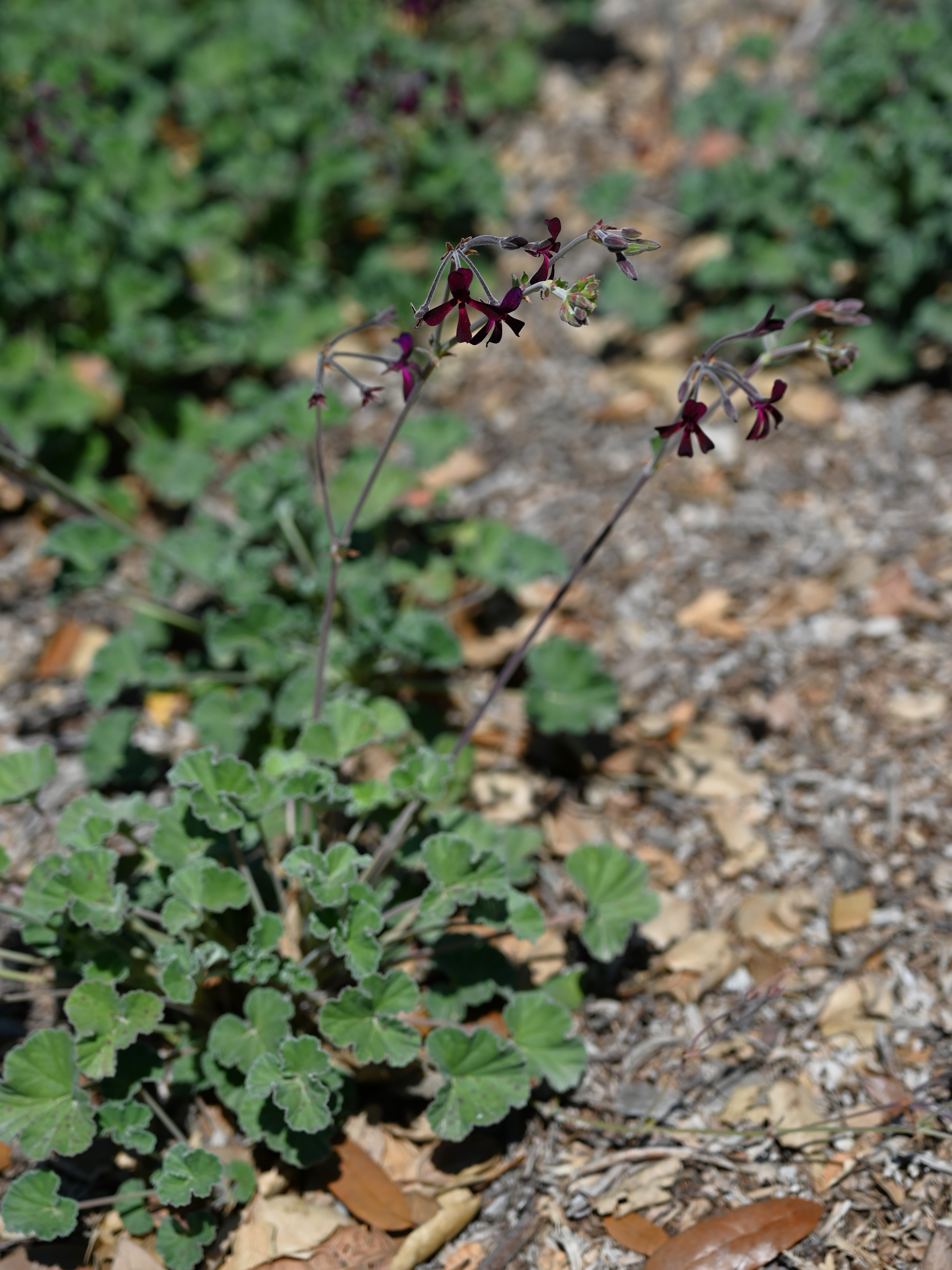
Common names: Umckaloabo , or South African Geranium. Scientific name: Pelargonium sidoides. Family: Unknown.
Umckaloabo , or South African Geranium is documented in medicinal and ethnobotanical literature; reliable identification requires leaf, stem, flower, and habitat confirmation before any use discussion. Always verify leaf, stem, flower, and growth habit together before forage, browsing, or harvest decisions.
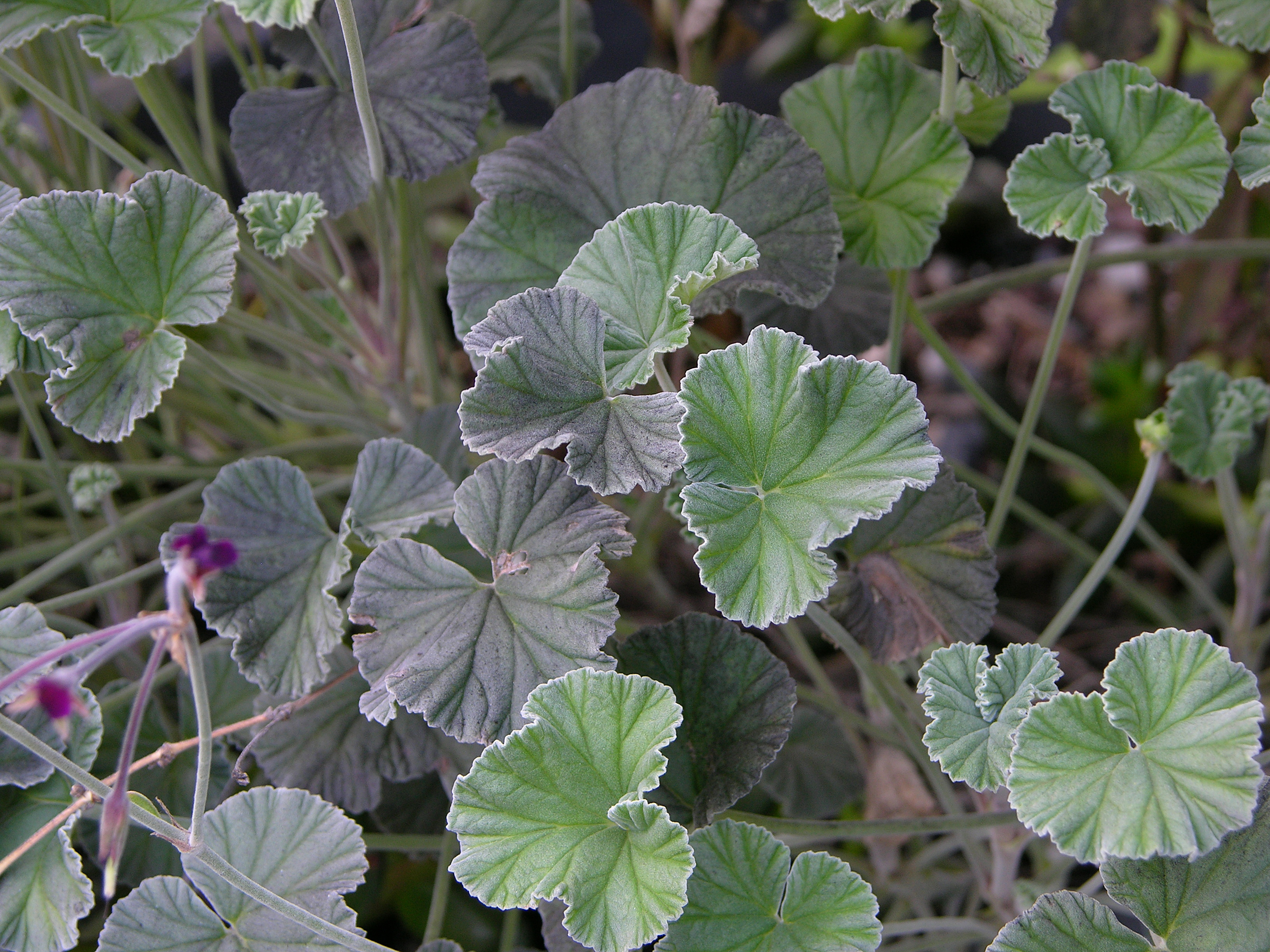

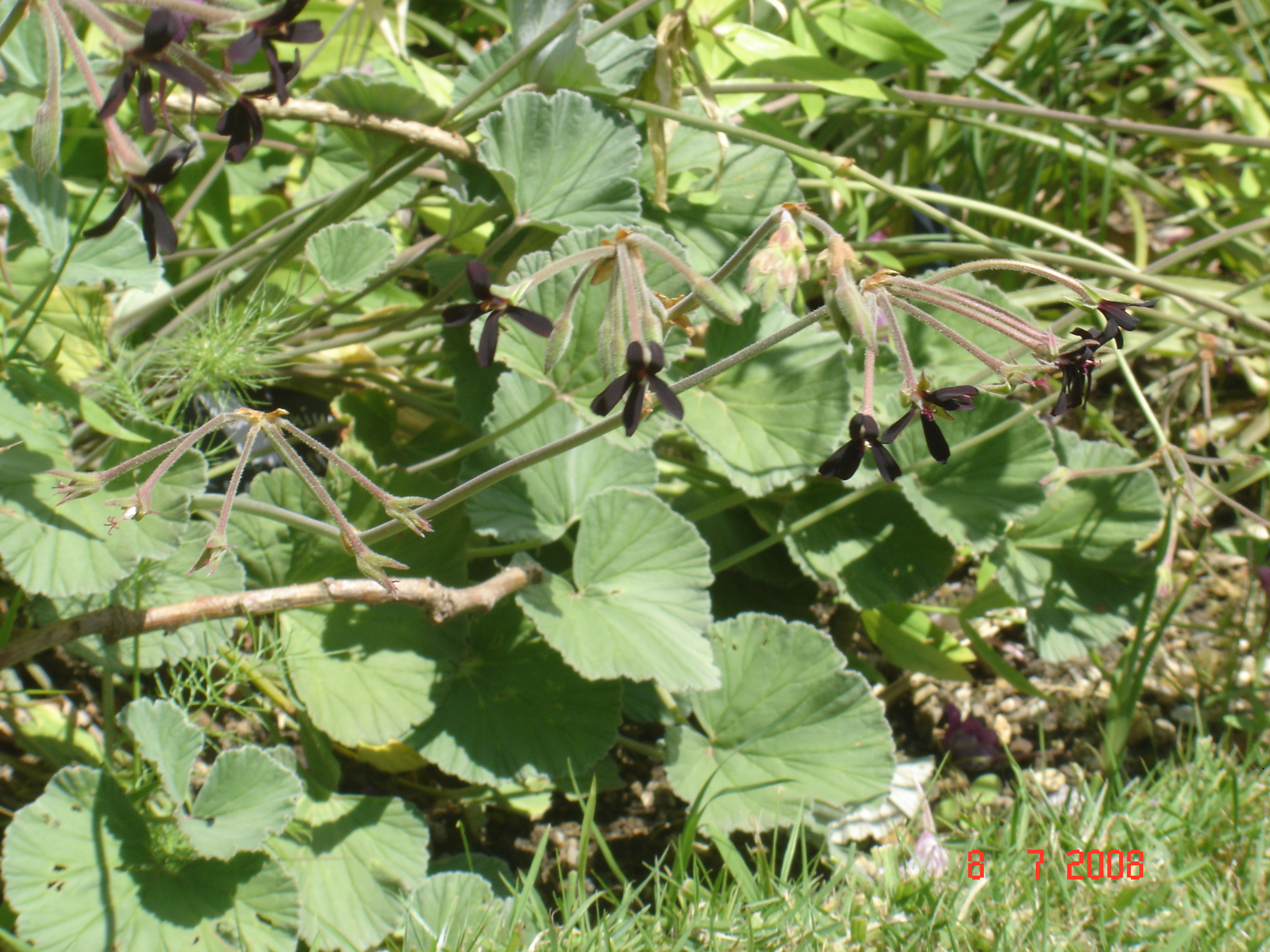

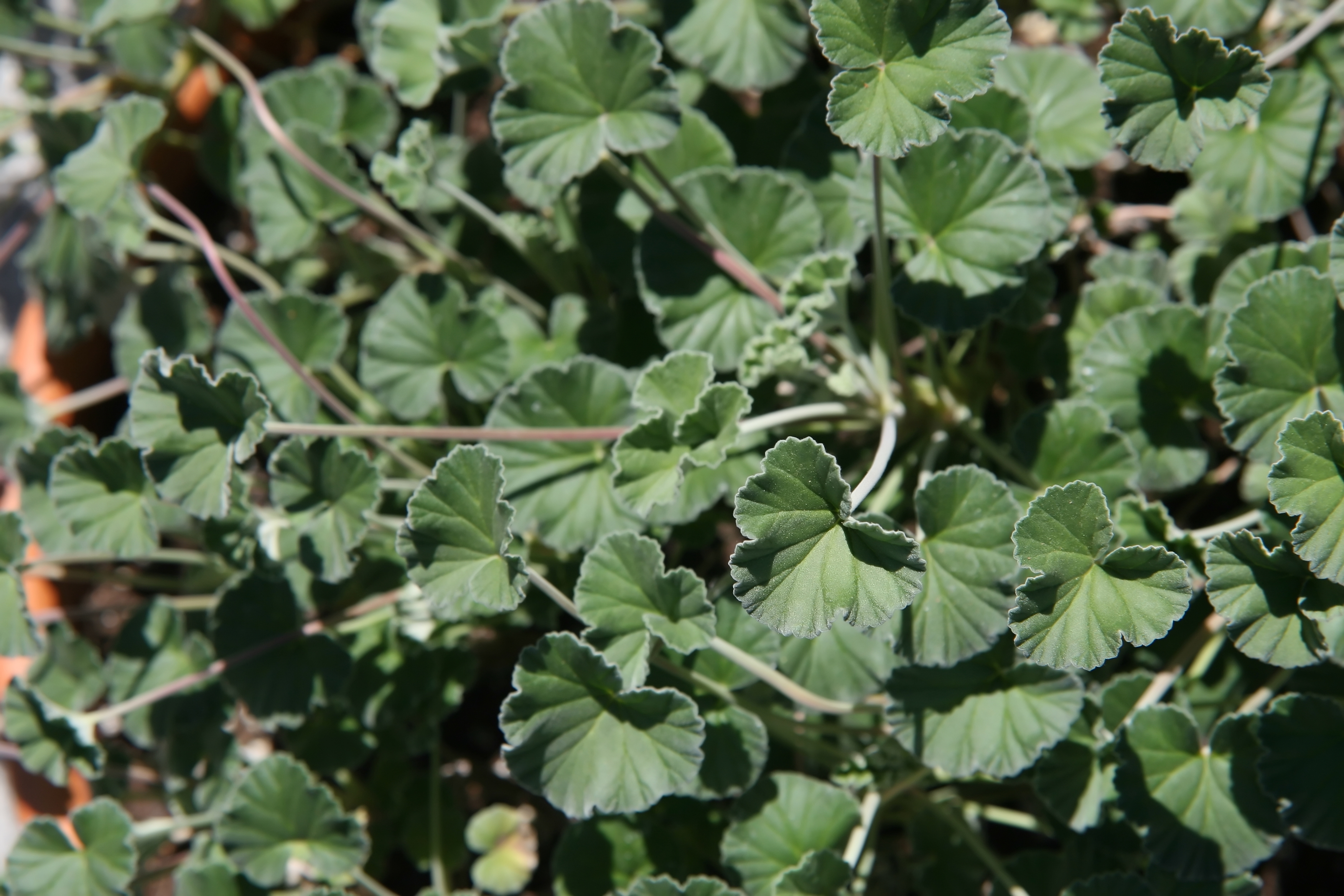

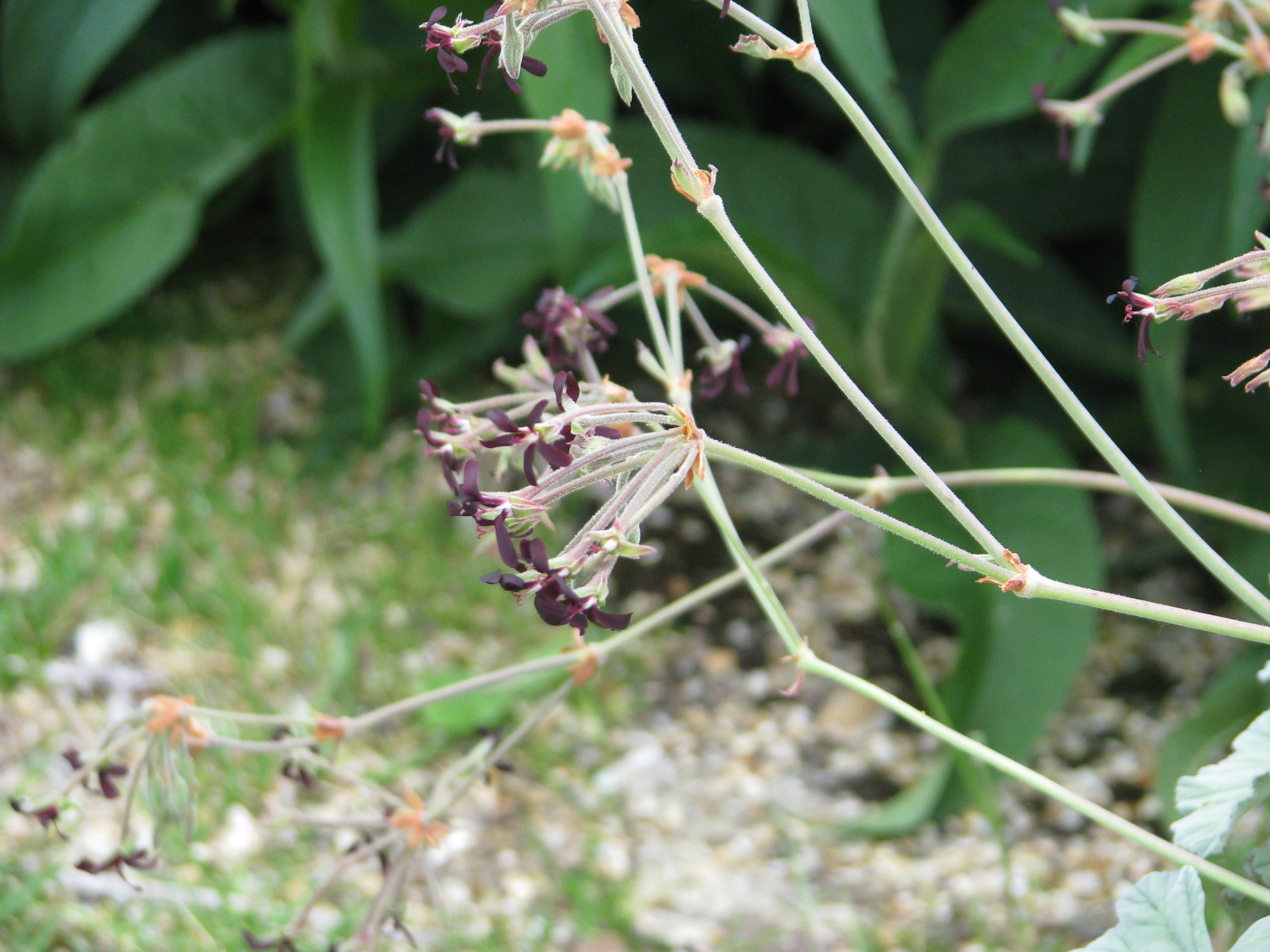


Habitat and Range
Referenced across cultivated, native, and naturalized contexts; local site behavior in TN/KY depends on moisture, disturbance, and management history. In TN/KY transition farms, localized moisture and disturbance shifts can change where this plant appears year to year.
Site fit varies by species; sunlight, drainage, and seasonal stress all influence secondary compound expression and practical cultivation outcomes. Match these site preferences to paddock pressure and rotational timing for practical control or utilization.
Ecological Role
Ethnobotanical plants often hold pollinator, wildlife, or successional roles that matter to farm biodiversity and long-term landscape resilience. Ecological behavior directly impacts pollinator support, forage composition, and long-term weed management labor.
Agricultural and Homestead Value
Primary value is historical-use literacy, risk awareness, and informed stewardship rather than modern self-prescribing claims. Practical value depends on livestock class, season, and total feed context rather than one plant in isolation.
Forage and management tags: medicinal-ethnobotanical reference, historical-use archive.
Toxicity and Animal Interaction
Toxicity level: Context dependent with interaction caution. Many plants in this class have dose, preparation, species, or interaction risks; historical use does not equal modern safety. Chemistry context: Phytochemical profiles can include alkaloids, glycosides, terpenes, phenolics, tannins, or volatile oils depending on species and tissue..
Animals affected or monitored: goats, cattle, sheep, pigs, poultry, rabbits, horses, dogs, cats. Symptoms to watch: digestive upset, drooling, weakness, neurologic signs, interaction risk.
Veterinary Response Notes
If livestock or pets show signs after possible exposure, remove access, retain plant samples, and contact a veterinarian immediately. If a herd event is active, preserve samples and timeline details for your veterinarian.
Historical and Cultural Uses (Archive Context)
Documented uses are retained as historical and cultural archive material only. Entries are educational references, not treatment instructions. Historical references are archival context, not modern treatment protocols.
Historical remedy tags: historical medicinal use, ethnobotanical record.
Foraging and Cultivation Guidance
Any harvest requires positive identification, contamination controls, and legal/ethical collection practices. Do not treat historical use as automatic safety guidance.
If intentionally grown, manage label integrity, species confirmation, and containment so medicinal-history plants do not create accidental livestock exposure.
Codex Navigation
Categories: medicinal history plants, ethnobotany, wild plants.
Use the Plant Codex hub, symptom index, and historical remedy index.
Related Triple 5 resources: Homestead Codex, Animals from Triple 5, Farm Goods, and Farm Experiences.
Source Reference Appendix
This page is a practical synthesis for farm decision-making. It does not replace veterinary diagnosis, extension consultation, or emergency response.
Entry lookup terms: Umckaloabo , or South African Geranium; Pelargonium sidoides.