Small Farms in Northwest Tennessee: Practical Startup and Growth Guide
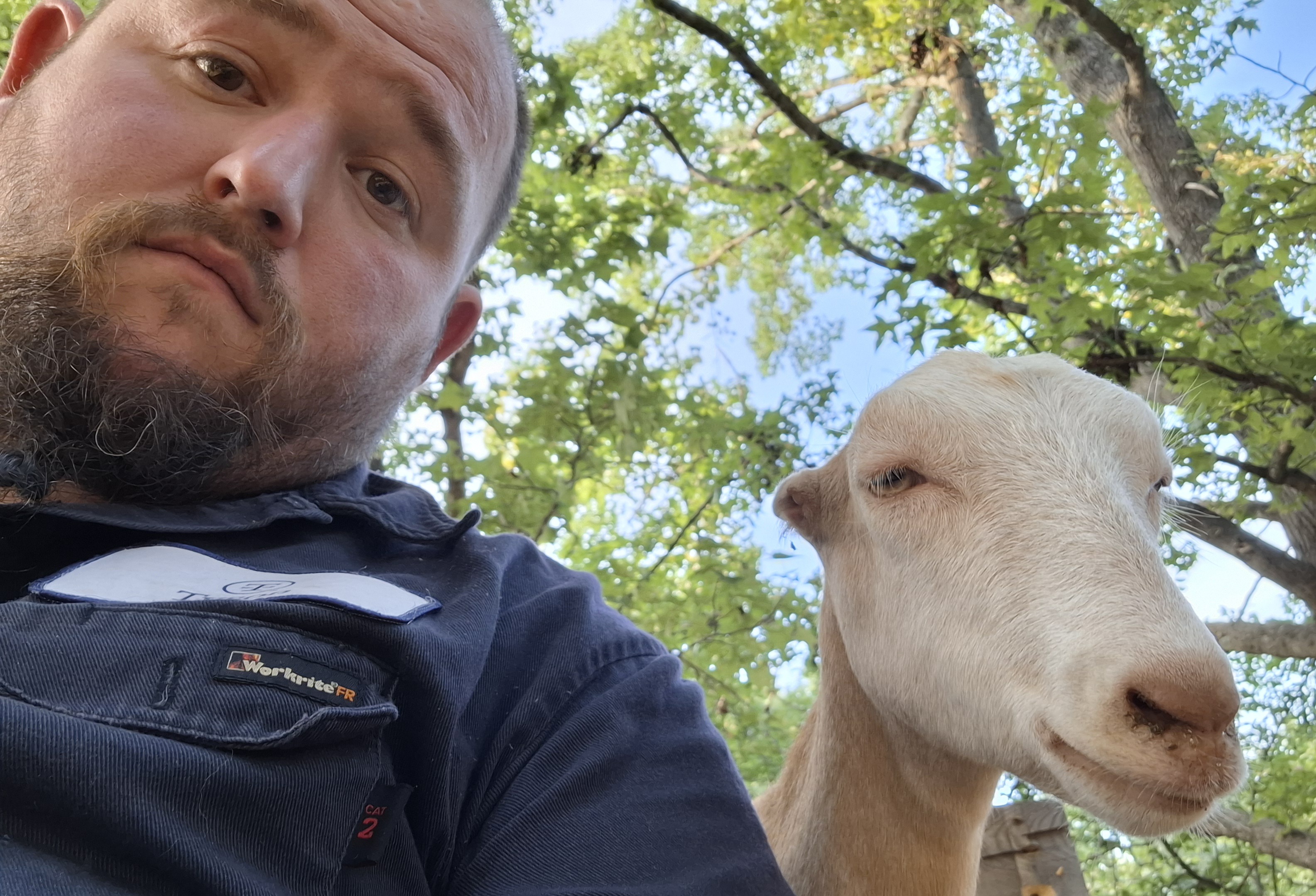
Small farms in Northwest Tennessee can become highly resilient when planning is sequence-driven. This guide outlines a practical growth path from startup to stable operation.
Quick Answer
Quick answer: Start small, build reliable core systems, keep records, and expand only after the first cycle performs consistently.
Startup Sequence That Works
- Define goal and budget ceiling.
- Build infrastructure essentials.
- Start with one species.
- Track and adjust.
Budget and Labor Discipline
Track feed, repairs, and labor hours weekly. Most "surprise" costs are predictable when records are kept honestly.
Regional Opportunity and Demand
Demand for local livestock and practical homestead guidance remains strong across Northwest Tennessee and border counties.
Scaling Without Breaking Systems
Add complexity only when current routines remain stable through seasonal stress periods.
Field-Tested Planning Notes
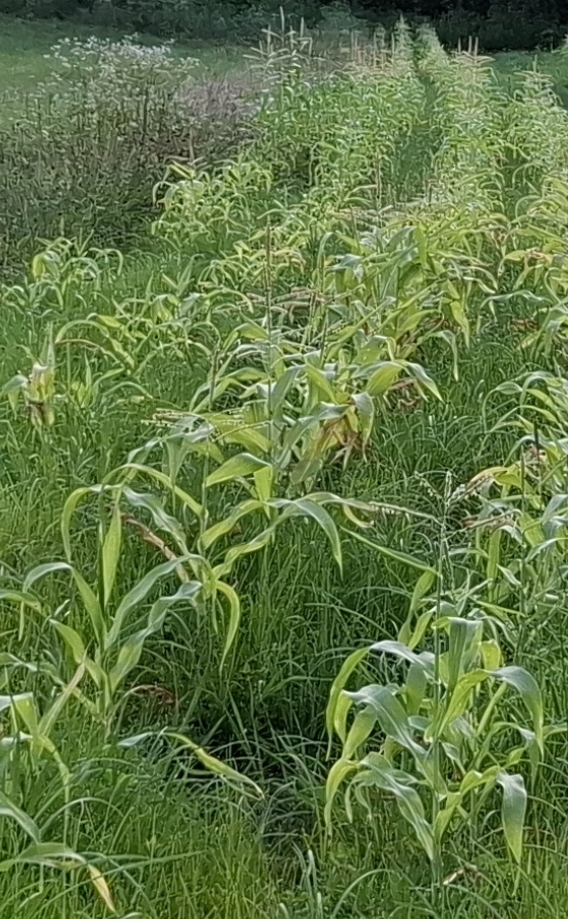
Folks across Northwest Tennessee usually find us after they have looked at a lot of farm sites that feel polished but thin. Around here we try to keep it plain: if guidance cannot survive a wet week, a hot week, and a busy week, it is not finished guidance.
That is why these pages connect local search intent to practical system choices. We want readers to go from "Who has livestock near me?" to "What do I need to fix before I buy?" without hitting dead ends. It keeps buyers better prepared and gives animals a better transition.
The biggest pattern we see is simple. Most problems are setup problems, not livestock problems. Strong fence, clean water, feed workflow, and daily handling rhythm prevent more issues than fancy add-ons. If those basics are tight, growth and health decisions become much easier.
Operations and Risk Control
In this region, weather swings and moisture pressure can shift quickly. A system that looks fine in mild conditions can break under stress if drainage, airflow, and movement lanes were afterthoughts. We encourage buyers to run a stress test on their setup before placement: where does water collect, where do animals bunch, where do chores bottleneck, and what fails when timing gets tight?
When something drifts, fix sequence matters. Start with environment, then flow, then feed/water consistency, then individual animal issues. This order solves root causes faster than jumping straight into spot fixes.
How to Use This Page with the Rest of the Site
Use this page as your regional entry point. Then jump to species pages, open the resource hub for references, and check live listings when your setup is ready. The goal is one connected learning path that keeps you moving forward with practical decisions.
90-Day Regional Action Framework
Days 1-30: Audit and Stabilize
Start with a practical audit of your current setup: fence integrity, gate flow, water reliability, feed and mineral storage, shelter airflow, and traffic bottlenecks. In Northwest Tennessee, small drainage and moisture oversights can become larger management problems faster than most beginners expect. Fixing those weak points before placement is one of the highest-return decisions you can make.
Days 31-60: Improve One Bottleneck at a Time
Do not redesign everything at once. Pick one clear bottleneck and fix it cleanly, then observe results for two to three weeks. This approach keeps your signal clear and reduces the chance of creating new issues while trying to solve old ones.
Days 61-90: Expand Only if Routine Is Stable
If daily routines remain steady through weather and schedule pressure, then scale carefully. If not, keep refining basics. Expansion without routine stability usually increases stress and costs.
Common Costly Mistakes in the Region
- Buying livestock before fencing and water systems are ready.
- Underestimating humidity impact on feed storage and health pressure.
- Treating all species with one-size-fits-all nutrition assumptions.
- Skipping records for feed, repairs, and labor hours.
- Adding complexity before first-cycle consistency is proven.
Most of these mistakes are preventable with a simple planning sequence and honest weekly notes.
Related Triple 5 Farms Resources
- /animals/for-sale
- /animals/goats
- /animals/pigs
- /learn/animal-codex
- /northwest-tennessee-livestock-resource-hub
- /contact
- /farm/location
- /farm-practices-and-animal-welfare
Frequently Asked Questions
How far does Triple 5 Farms serve buyers from?
We regularly help buyers across Northwest Tennessee and nearby Kentucky counties. The best way to confirm fit is to send your location, acreage, and target species through the contact page.
Can beginners buy livestock from Triple 5 Farms?
Yes, as long as infrastructure is ready first. Around here, we prefer setup-first buyers because that is what gives animals a smooth transition and long-term success.
Do listings change often?
Yes. Availability moves with breeding cycles, placements, and season. Check the live listing hub for current status, then reach out to confirm timing.
What should I prepare before pickup day?
Fence reliability, water access, feed storage, shelter, and a first-week routine are the big five. If those are ready, most transitions go cleaner.
Where do I learn species-specific details?
Use the Animal Codex and guide library. They are linked throughout each page so you can move from local discovery to practical action.
Ready to Talk Livestock?
If you are in Northwest Tennessee and want practical placement guidance, start with live listings and then send us your acreage, goals, and timeline through contact. We will keep the recommendations grounded in what works on real ground.
Comments